Accession Number
154131
Medium
Oil on canvas
Dimensions
56 × 50.8 cm (22 × 20 in.)
Classification
oil on canvas
Credit Line
Gift of David P. Robinson
Background & Context
Background Story
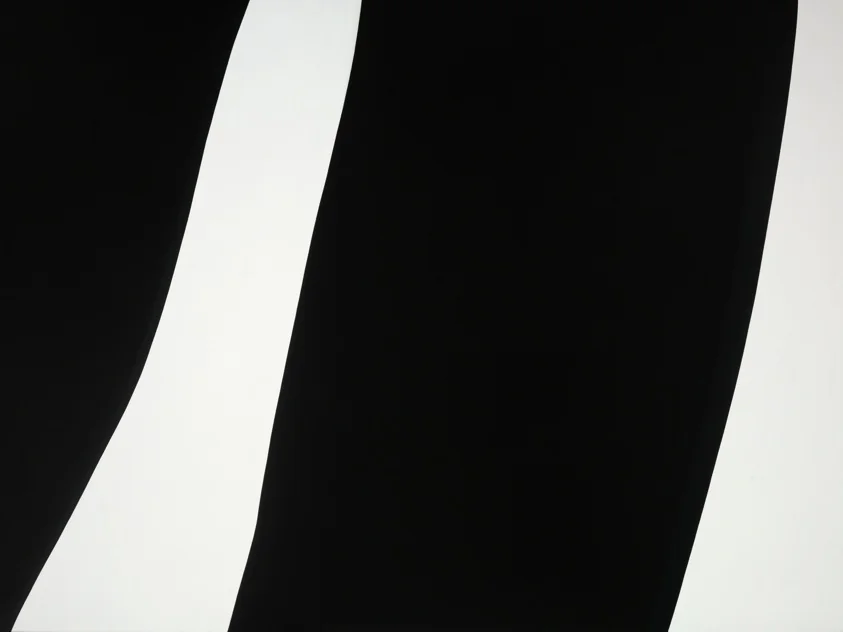
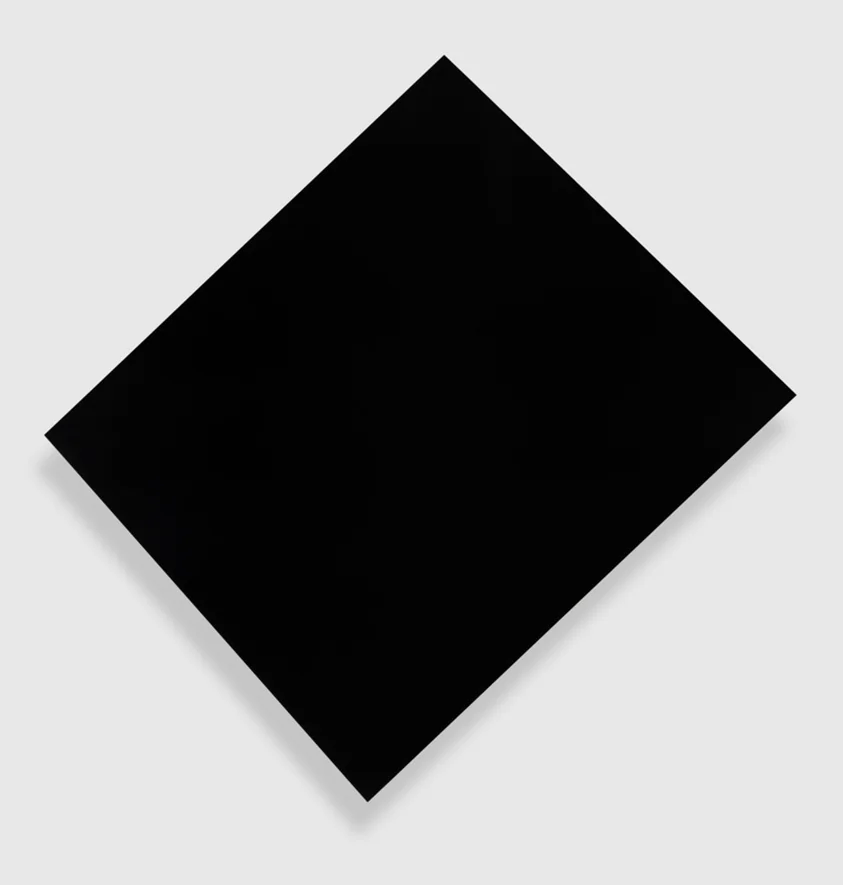
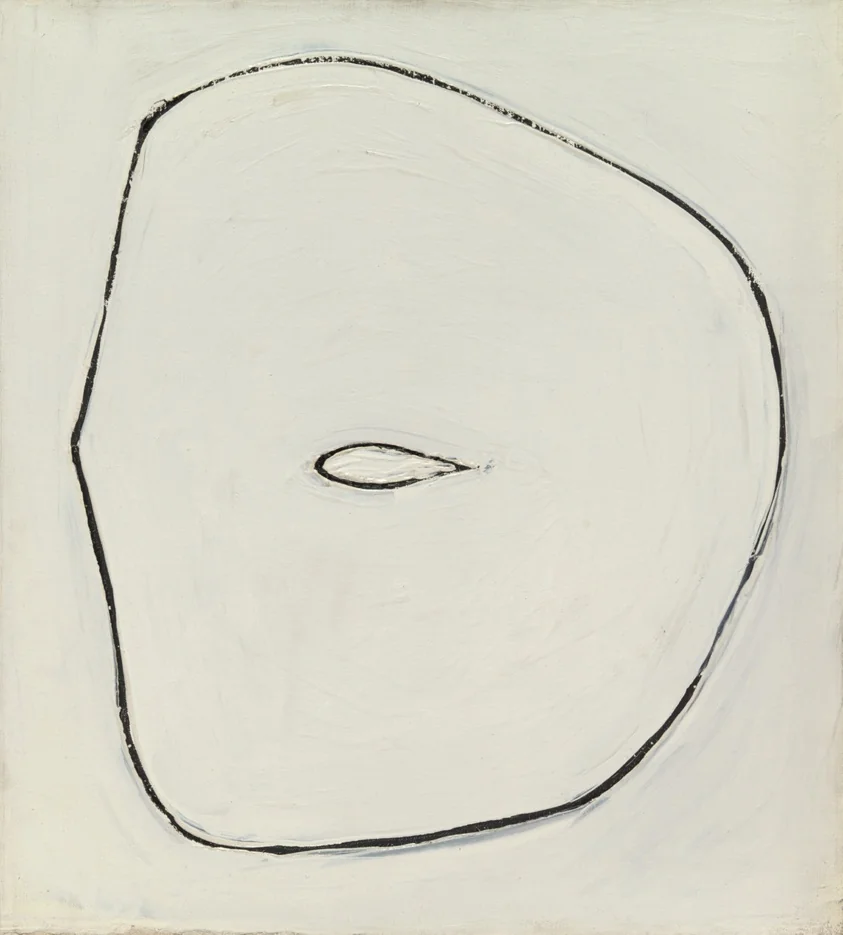
Ellsworth Kelly's "Yuri Gagarin" (1960) is an oil on canvas whose title references the Russian cosmonaut who became the first human in space in 1961. The painting was likely completed before Gagarin's historic flight, suggesting that Kelly was responding to the broader space race and the cultural excitement surrounding the exploration of space. The title is unexpected for an abstract painter of Kelly's purity—he rarely gave his works such overtly referential titles. The painting itself is likely an abstract composition of colored forms, perhaps evoking the sense of speed, altitude, or the curvature of the earth that space travel suggested. Kelly's palette in this period was bright and clear, and "Yuri Gagarin" may use a combination of colors that suggests the blues of the sky, the blacks of space, the whites of clouds. The painting belongs to the period when Kelly was achieving national recognition, and its title connects his project of pure abstraction to the most dramatic technological achievement of the age.
Cultural Impact
Kelly's rare referential titles connect his project of pure abstraction to the broader cultural and historical events of his time, showing that even the most radical formalist art participates in the world beyond the studio.
Why It Matters
By titling this abstract work after the first cosmonaut, Kelly connects his exploration of pure form and color to the most dramatic human achievement of the space age, suggesting that abstraction can evoke the sublime experience of space itself.