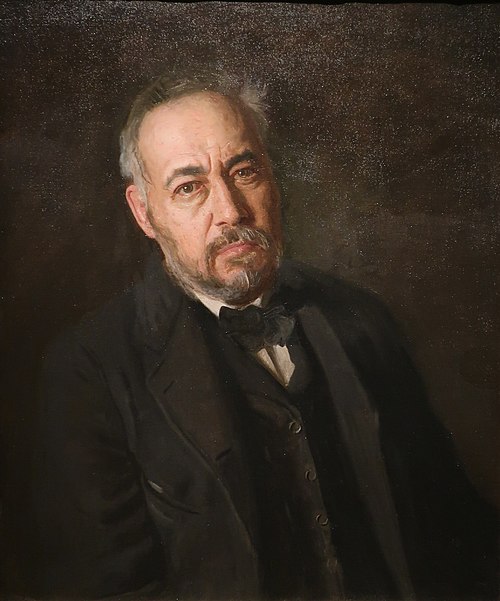
Eakins, Thomas
Thomas Cowperthwait Eakins (; July 25, 1844 – June 25, 1916) was an American realist painter, photographer, sculptor, and fine arts educator. He is widely acknowledged to be one of the most important American artists. For the length of his professional career, from the early 1870s until his health began to fail some 40 years later, Eakins worked exactingly from life, choosing as his subject the people of his hometown of Philadelphia. He painted several hundred portraits, usually of friends, family members, or prominent people in the arts, sciences, medicine, and clergy. Taken en masse, the portraits offer an overview of the intellectual life of contemporary Philadelphia of the late 19th and early 20th centuries. In addition, Eakins produced a number of large paintings that brought the portrait out of the drawing room and into the offices, streets, parks, rivers, arenas, and surgical amphitheaters of his city. These active outdoor venues allowed him to paint the subject that most inspired him: the nude or lightly clad figure in motion. In the process, he could model the forms of the body in full sunlight, and create images of deep space utilizing his studies in perspective. Eakins took...
Read more on Wikipedia →Artworks by Eakins, Thomas
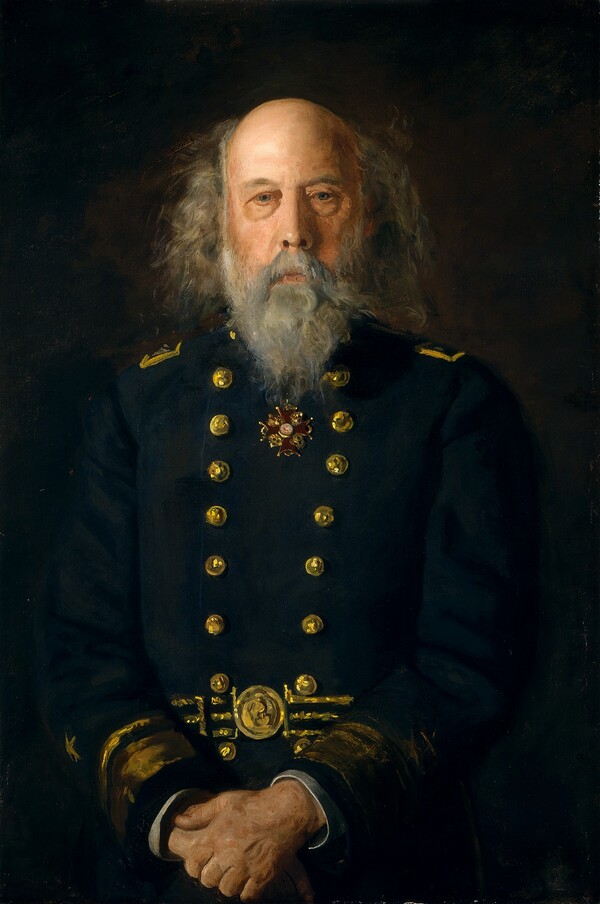
Rear Admiral George W. Melville
Eakins, Thomas
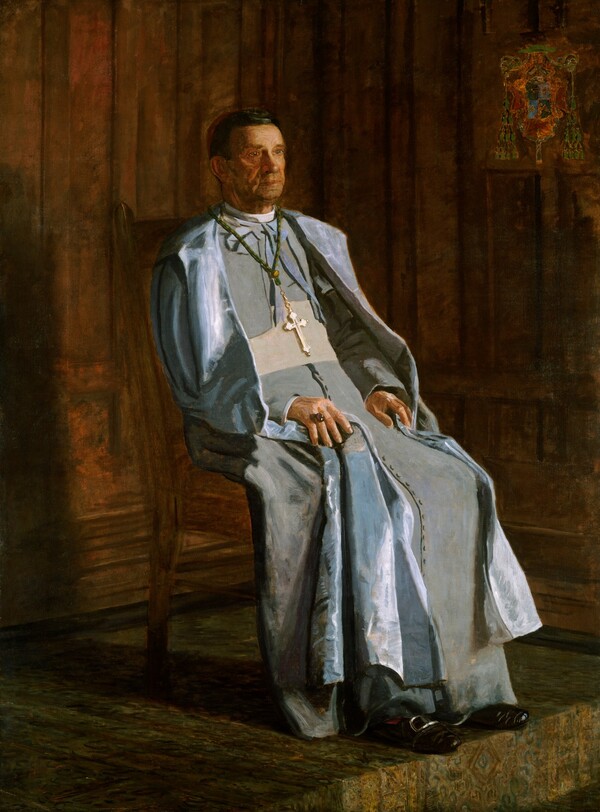
Archbishop Diomede Falconio
Eakins, Thomas
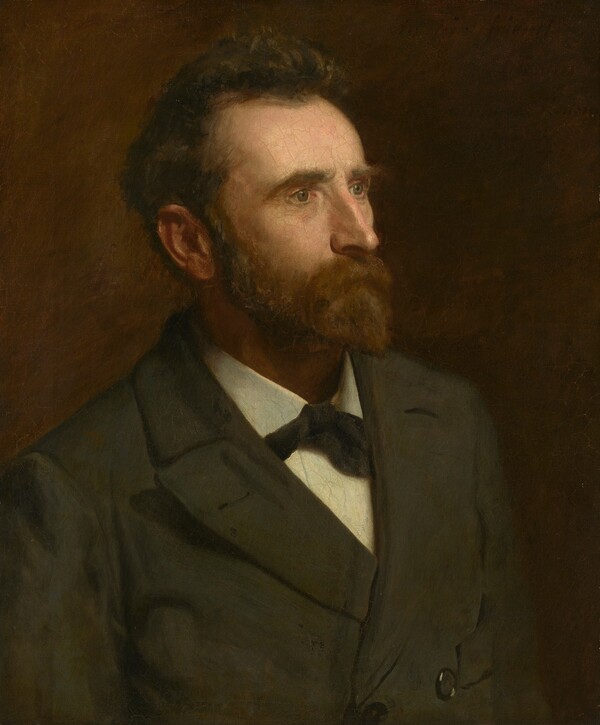
Louis Husson
Eakins, Thomas
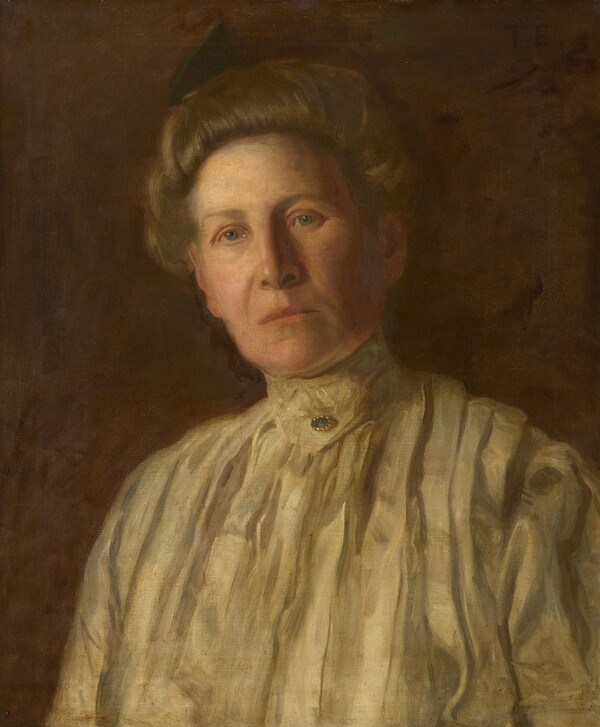
Annie C. Lochrey Husson (Mrs. Louis Husson)
Eakins, Thomas
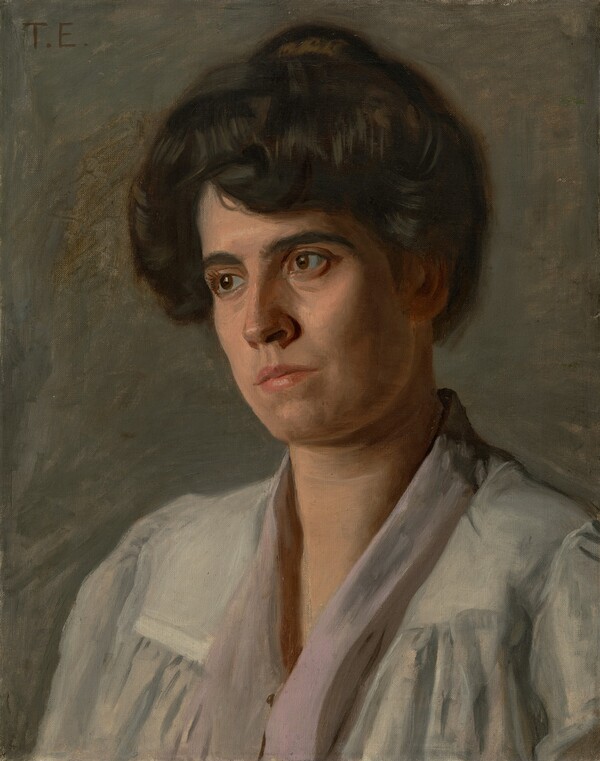
Harriet Husson Carville (Mrs. James G. Carville)
Eakins, Thomas
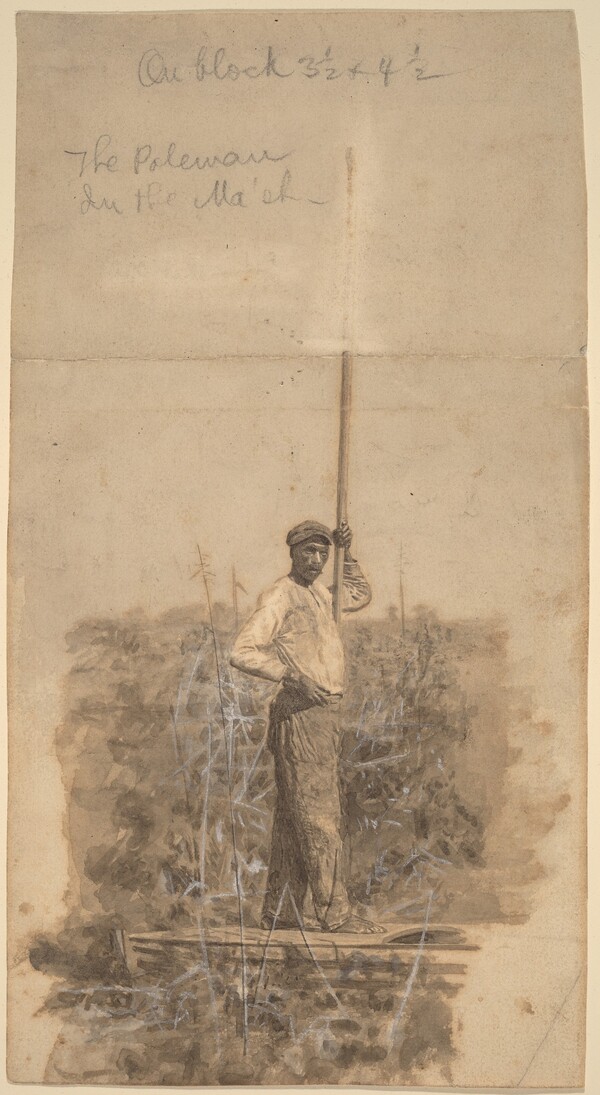
The Poleman in the Ma'sh
Eakins, Thomas
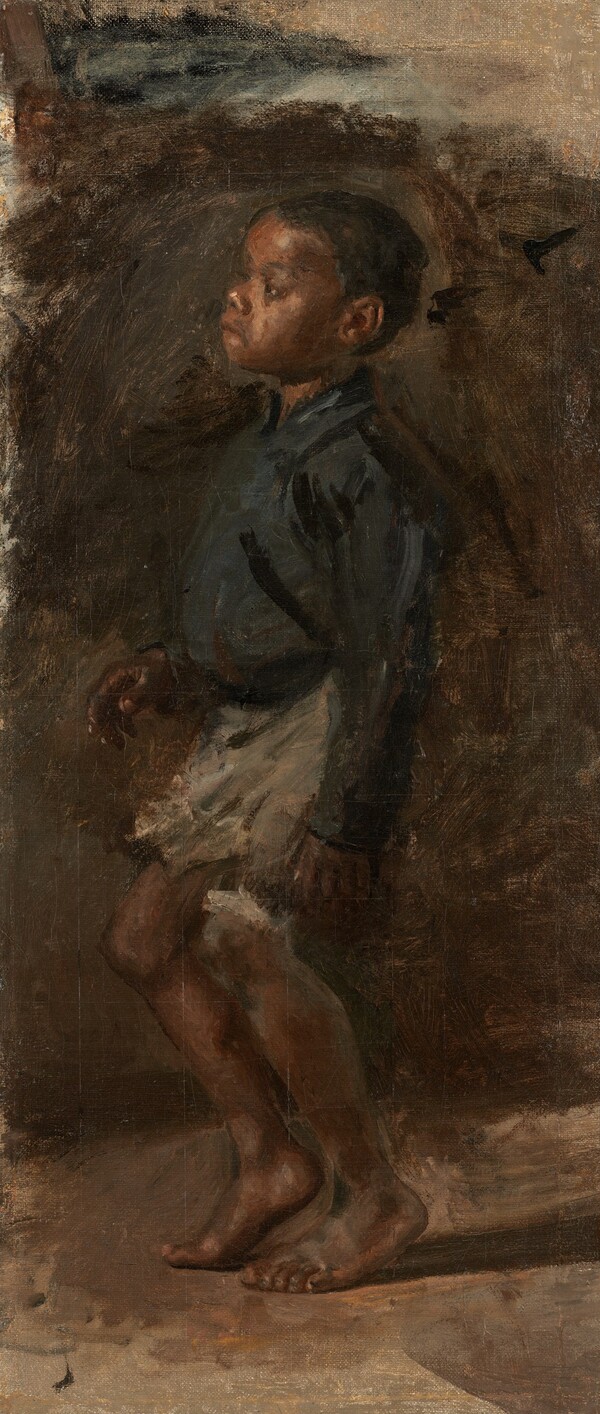
Study for "The Dancing Lesson": The Boy
Eakins, Thomas
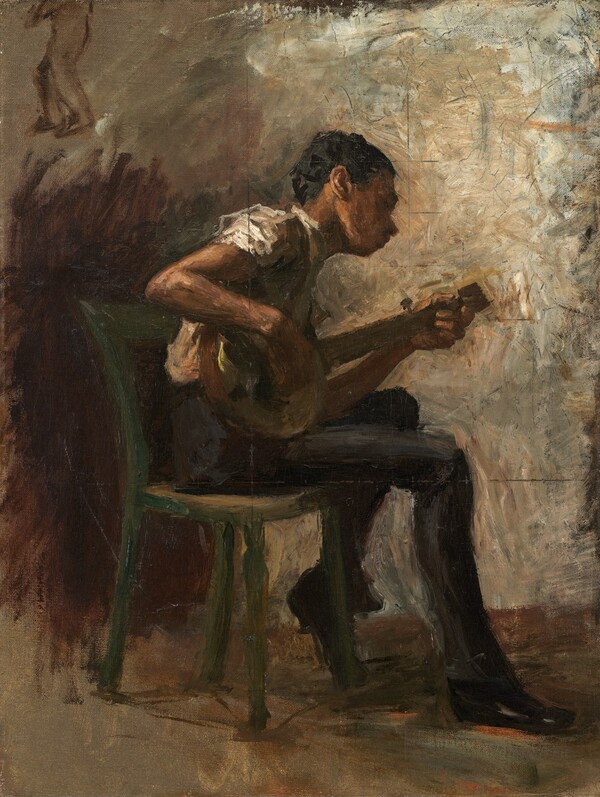
Study for "The Dancing Lesson": The Banjo Player
Eakins, Thomas
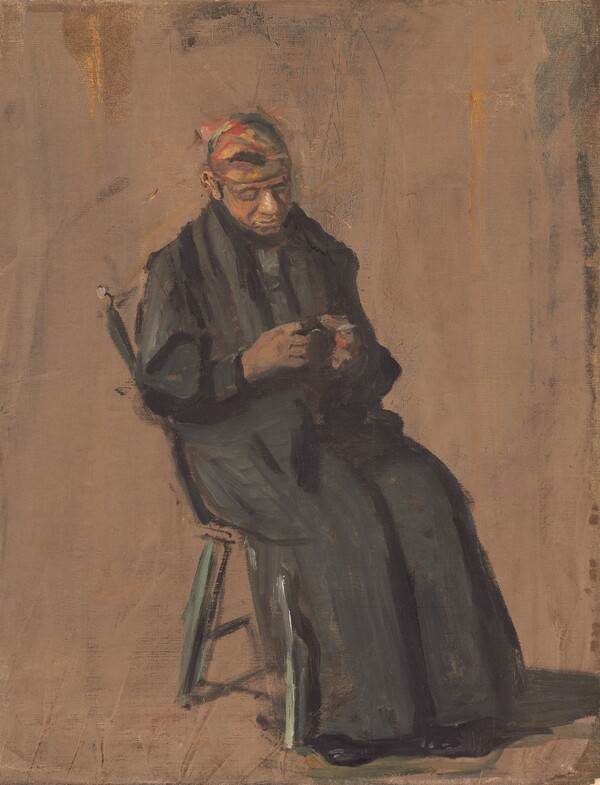
The Chaperone
Eakins, Thomas
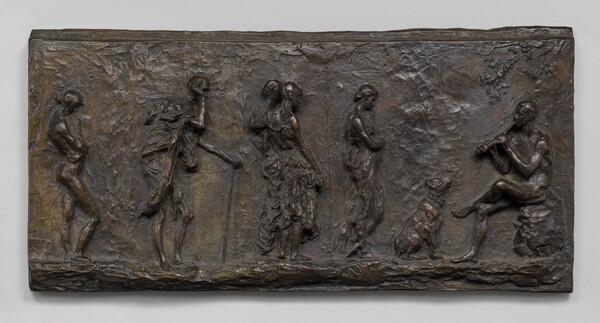
Arcadia
Eakins, Thomas
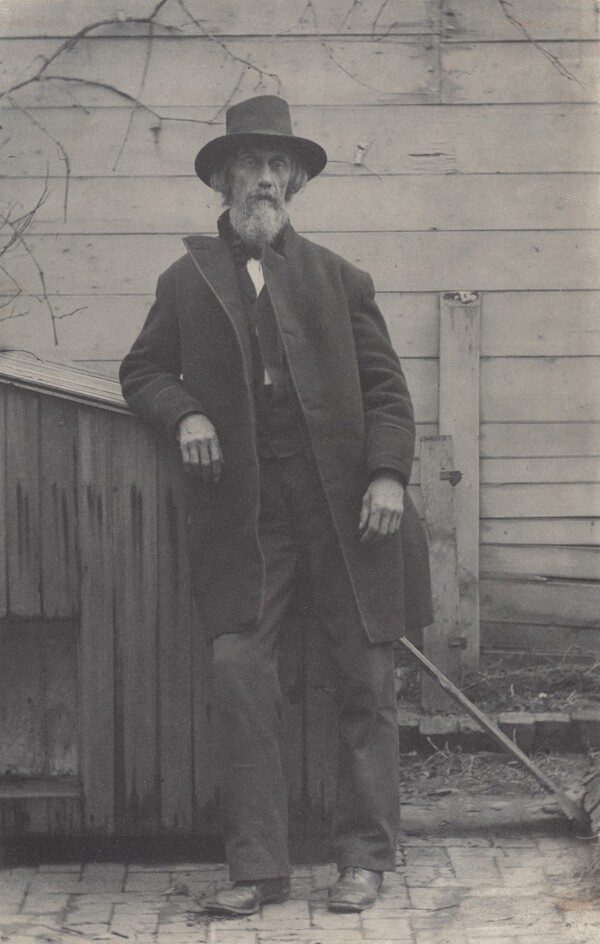
William H. Macdowell
Eakins, Thomas
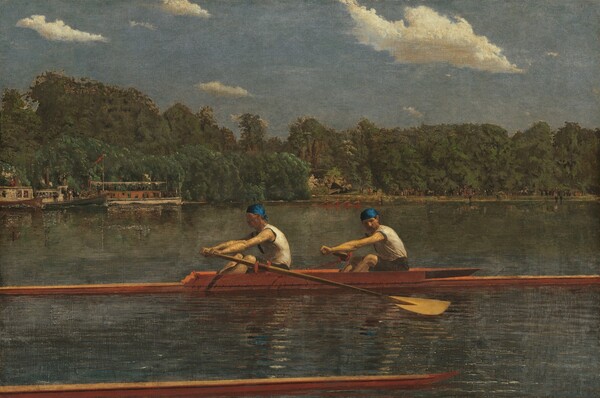
The Biglin Brothers Racing
Eakins, Thomas
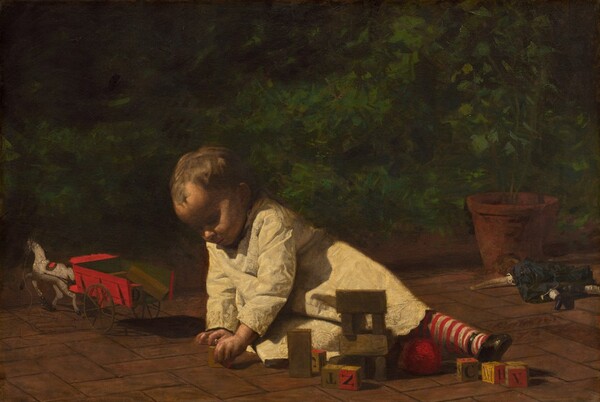
Baby at Play
Eakins, Thomas
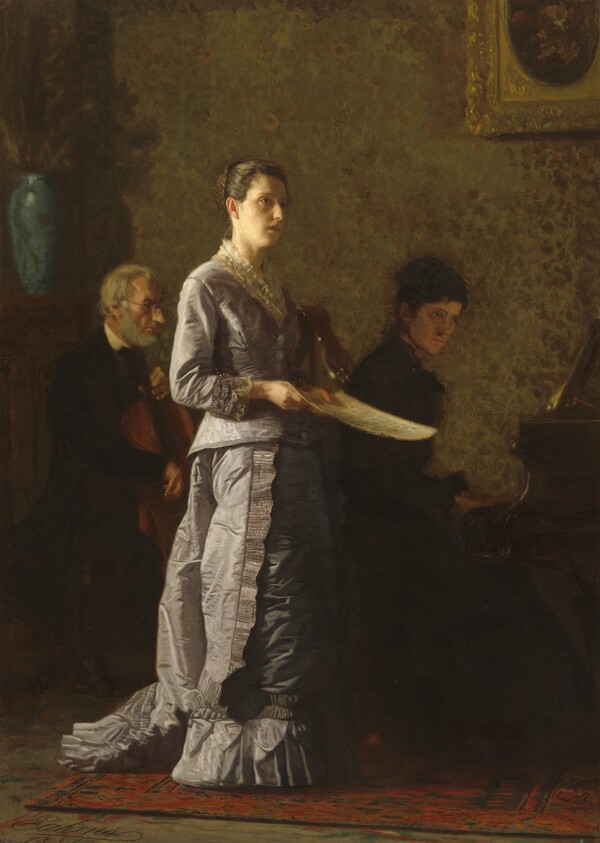
Singing a Pathetic Song
Eakins, Thomas