Provenance
Supposedly purchased in Germany, c. 1750, by Pehr von Lagerbring [d. 1799], Sweden; sold to David Henric Hildebrand [d. 1791], Castle Ericsberg, Katrineholm, by 1770 or 1771; by descent to his son, David Gotthard Henric Hildebrand [d. 1808]; his grandson, Carl Carlsson Bonde, Castle Ericsberg, as part of the "Fideikommiss;" by descent to Carl Gotthard Carlsson Bonde, Castle Ericsberg. (Galerie Matthiesen, Berlin, 1927).[1] (P. & D. Colnaghi and Co., London and New York, 1927); (M. Knoedler & Co., New York, 1928, owned jointly with Galerie Matthiesen and P. & D. Colnaghi and Co.);[2] purchased 1928 by Andrew W. Mellon, Pittsburgh and Washington, D.C.; deeded 30 March 1932 to The A.W. Mellon Educational and Charitable Trust, Pittsburgh; gift 19937 to NGA.
[1] This and the preceding information is corroborated by Carl Jedvard Carlsson Bonde, son of Carl Gotthard Carlsson Bonde, letter of 15 June 1976 and postcard of 16 September 1976 to John Hand, in NGA curatorial files. This information, in slightly altered form, is contained in an M. Knoedler & Co. brochure of 1928, in NGA curatorial files. John Hand also acknowledges Göran Galkenberg, stockholm, conversation of 30 October 1989, and Carl Göran Carlsson Bonde, Castle Ericsberg, for information on the Bonde family.
[2] Report of 8 March 1988 from the Getty Provenance Index, in NGA curatorial files.
Accession Number
1937.1.66
Medium
oil on panel
Dimensions
overall: 39.8 x 32.3 cm (15 11/16 x 12 11/16 in.) | framed: 54 x 47 x 4.4 cm (21 1/4 x 18 1/2 x 1 3/4 in.)
Classification
Painting
Credit Line
Andrew W. Mellon Collection
Tags
Painting Renaissance (1400–1599) Oil Painting Panel Painting German
Background & Context
Background Story
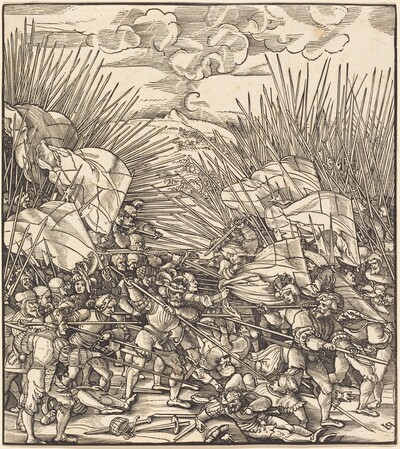
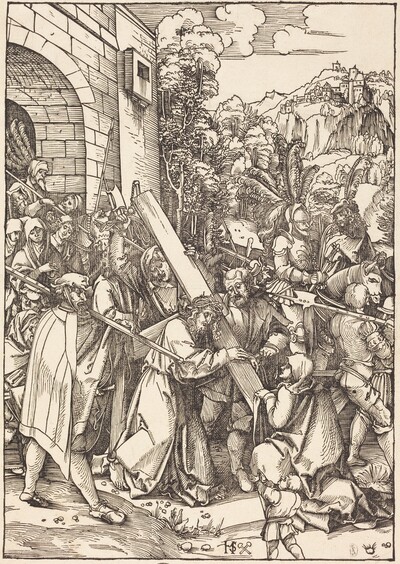
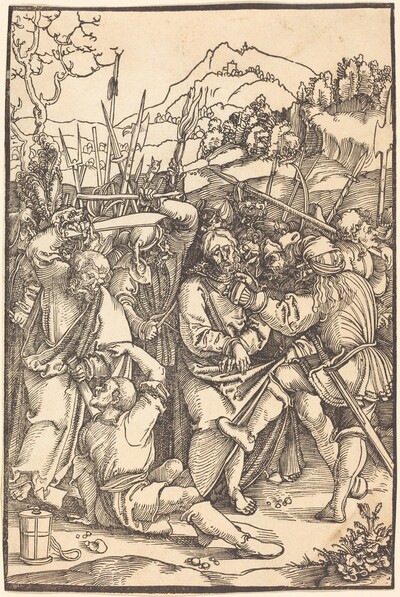
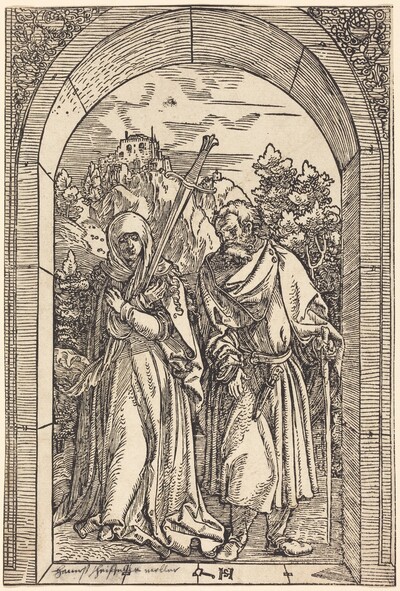
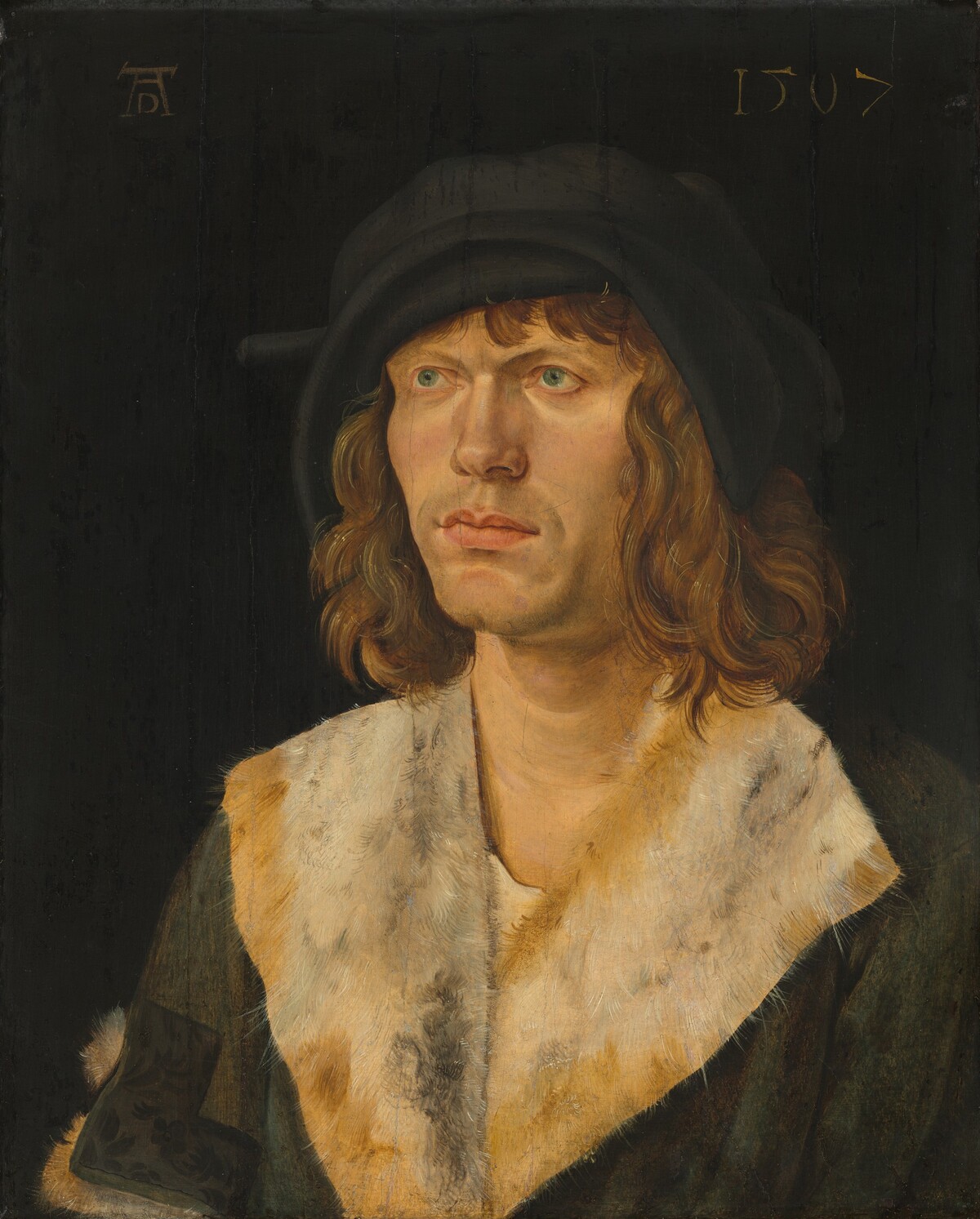
Hans Leonard Schauffelein (c. 1480-1540) was a German painter and printmaker known as a pupil and assistant of Albrecht Durer, whose paintings and woodcut designs combine Durer's influence with Schauffelein's own more expressive manner. Portrait of a Man from c. 1507 depicts a man in the precise, psychologically penetrating manner that Schauffelein developed from his study with Durer, combining Durer's precise observation with his own more expressive handling. The c. 1507 date places this in Schauffelein's early period, when Durer's influence was still strong, and the portrait shows how Schauffelein adapted Durer's revolutionary approach to portraiture to his own manner.
Cultural Impact
Portrait of a Man is important in the history of German painting because it demonstrates how Durer's revolutionary approach to portraiture was adapted by his pupils and assistants. Schauffelein's combination of Durer's precise observation with his own more expressive handling shows how Durer's influence was disseminated through the German painting tradition by pupils who adapted his methods to their own manner, and the c. 1507 portrait shows this dissemination in its earliest phase.
Why It Matters
Portrait of a Man is Schauffelein applying Durer's revolution: a man rendered in the precise manner of Durer's pupil, combining the master's revolutionary observation with his own more expressive handling. The c. 1507 portrait shows how Durer's approach to portraiture was adapted by his pupils in the earliest phase of dissemination.