Provenance
Paris, Bergguen & Cie. Alexander M. Bing, New York, to 1959. Bequeathed by him to the Art Institute.
Accession Number
10999
Medium
Oil on burlap on cardboard
Dimensions
38.7 × 47 cm (15 1/4 × 18 1/2 in.)
Classification
Painting
Credit Line
Gift of the estate of Alexander M. Bing
Background & Context
Background Story
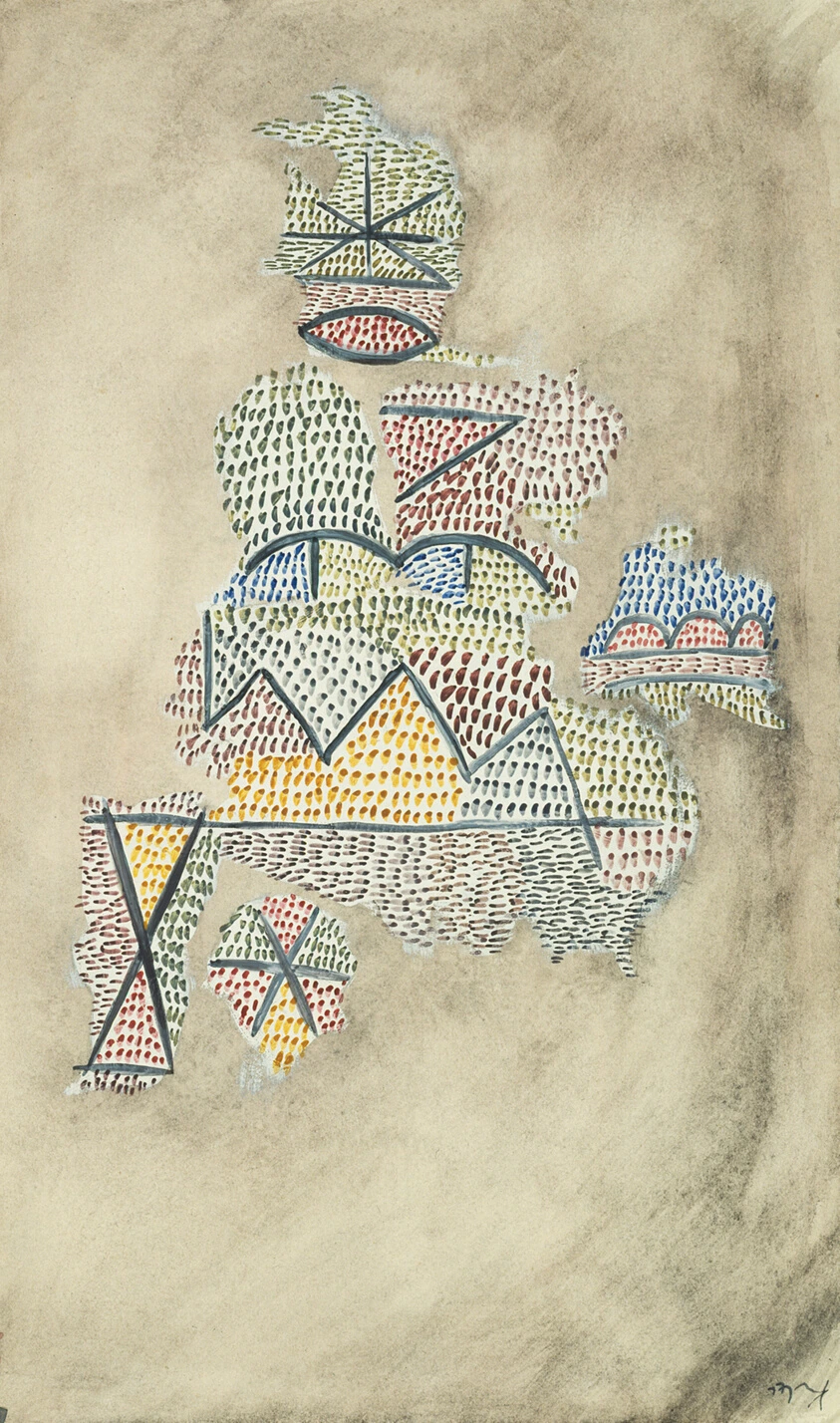
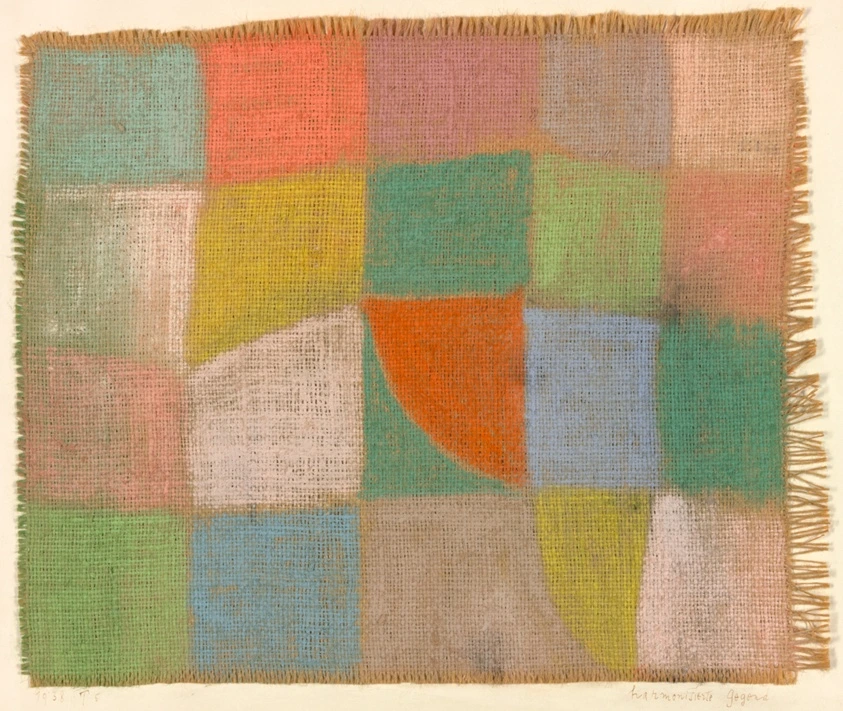
Paul Klee painted Harmonized Region in 1938, two years before his death, during the period when he was producing the heavily outlined, boldly colored paintings that represent his late style. The painting depicts a harmonized landscape in the heavily outlined, boldly colored manner that distinguishes Klee's late work from the more delicate watercolors of his earlier periods. The 1938 date places this in the last years of Klee's career, when he was producing the boldly colored, heavily outlined paintings that are his most powerful late works—despite the scleroderma that was making it increasingly difficult for him to paint.
Cultural Impact
Harmonized Region is important in Klee's late oeuvre because it demonstrates the boldly colored, heavily outlined manner that he developed in his final years despite his deteriorating health. The 1938 painting shows Klee's late style at its most powerful—a style that combines the bold color and heavy outline of his final years with the musical sense of harmony that had always characterized his work, creating a type of painting that is simultaneously bold and harmonious.
Why It Matters
Harmonized Region is Klee's late boldness: a harmonized landscape rendered in the heavily outlined, boldly colored manner that distinguishes his final paintings. The 1938 painting, created two years before his death despite deteriorating health, shows Klee's late style at its most powerful—bold color, heavy outline, and musical harmony combined.