Provenance
Neue Galerie Hans Goltz, by 1920 [Paul-Klee-Stiftung 1999]. Galerie Ferdinand Möller, Berlin [Paul-Klee-Stiftung 1999]. Frederick C. Schang, South Norwalk, Conn., and New York, by 1952–at least 1953 [South Norwalk 1952, and Courthian 1953]. Saidenberg Gallery, Inc., by 1955 [Paul-Klee-Stiftung 1999]. Leigh B. and Mary Block, Chicago, 1955–1969 [Paul-Klee-Stiftung 1999]; given to the Art Institute, 1969.
Accession Number
32590
Medium
Oil on paper, on board
Dimensions
36.8 × 31.8 cm (14 1/2 × 12 1/2 in.)
Classification
Painting
Credit Line
Gift of Mary and Leigh Block
Background & Context
Background Story
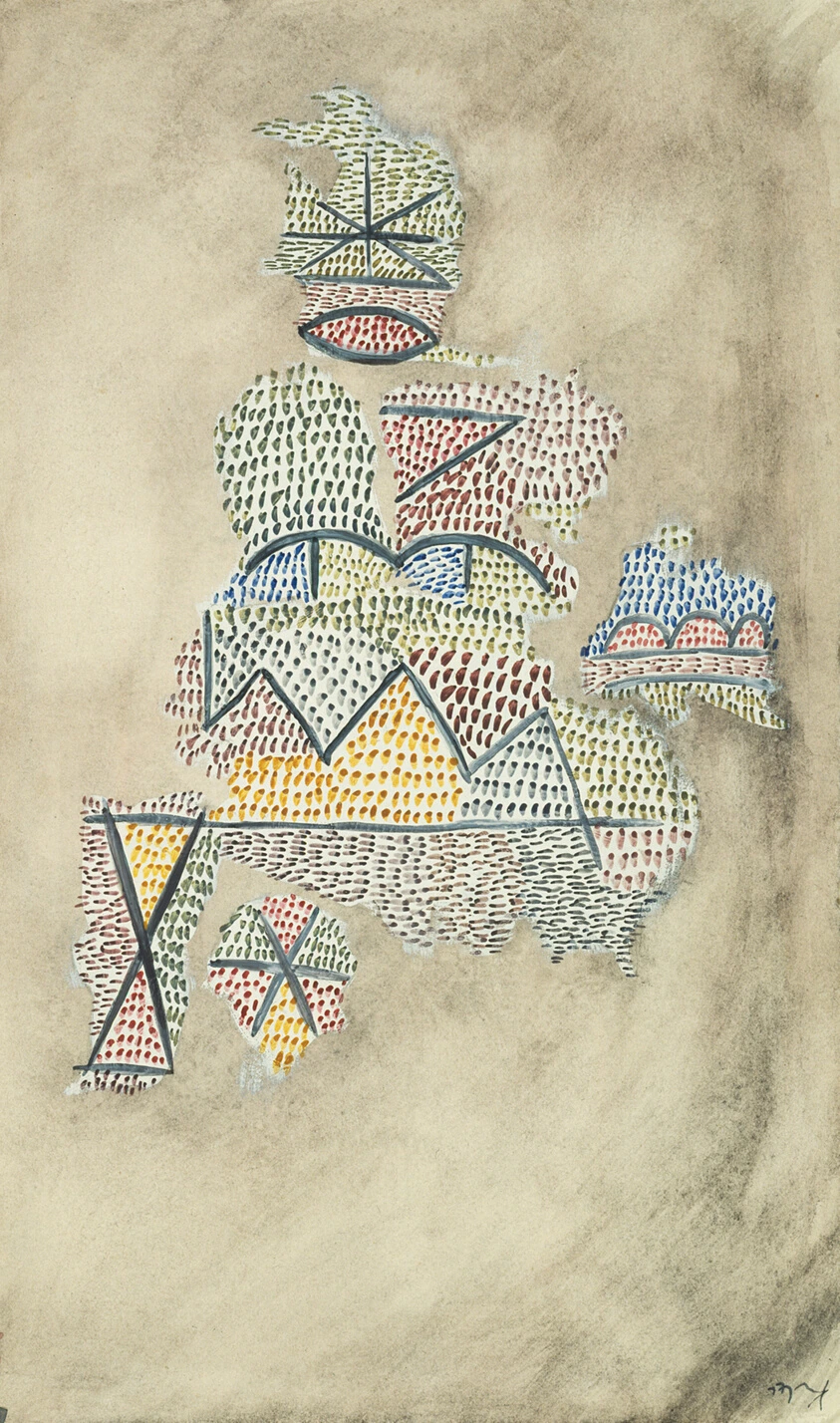
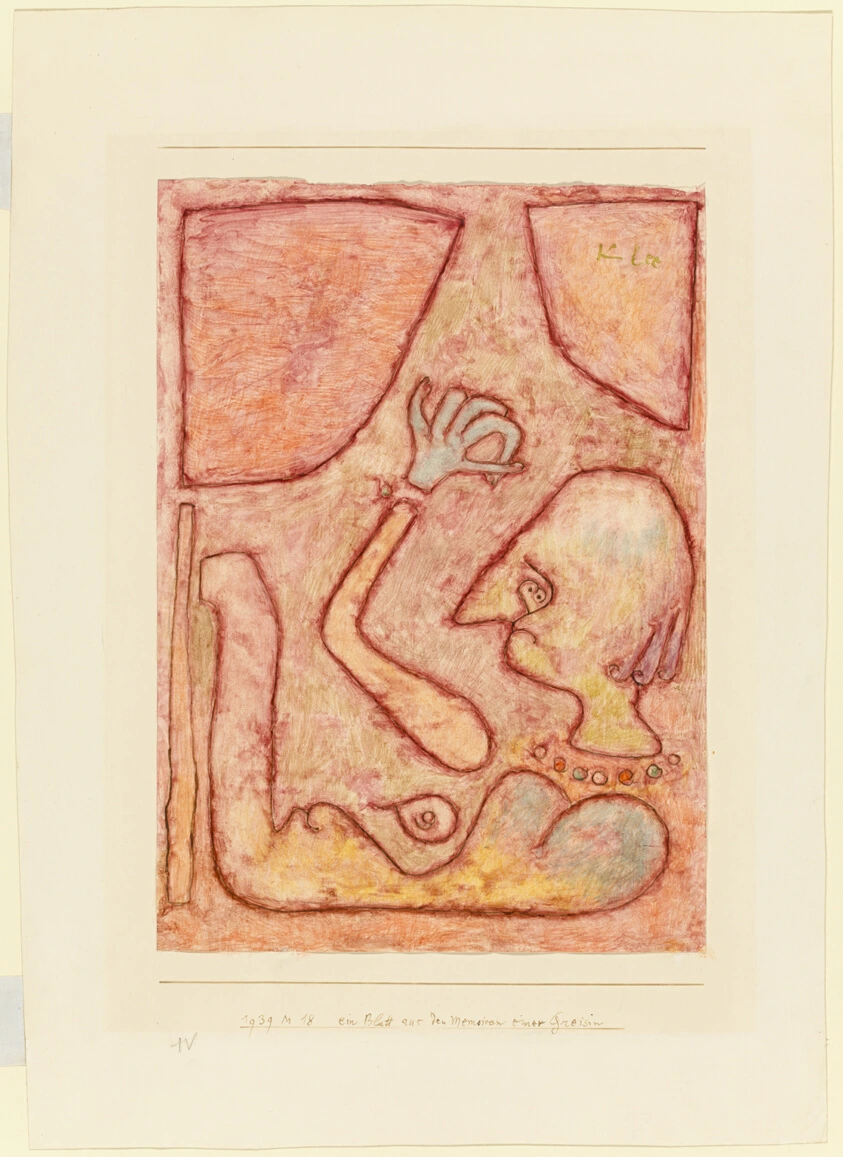
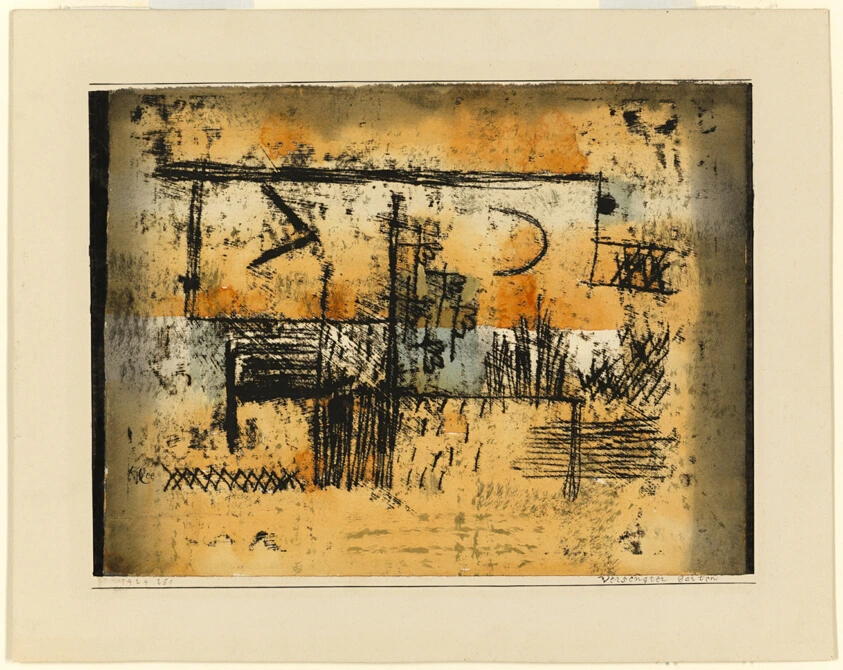
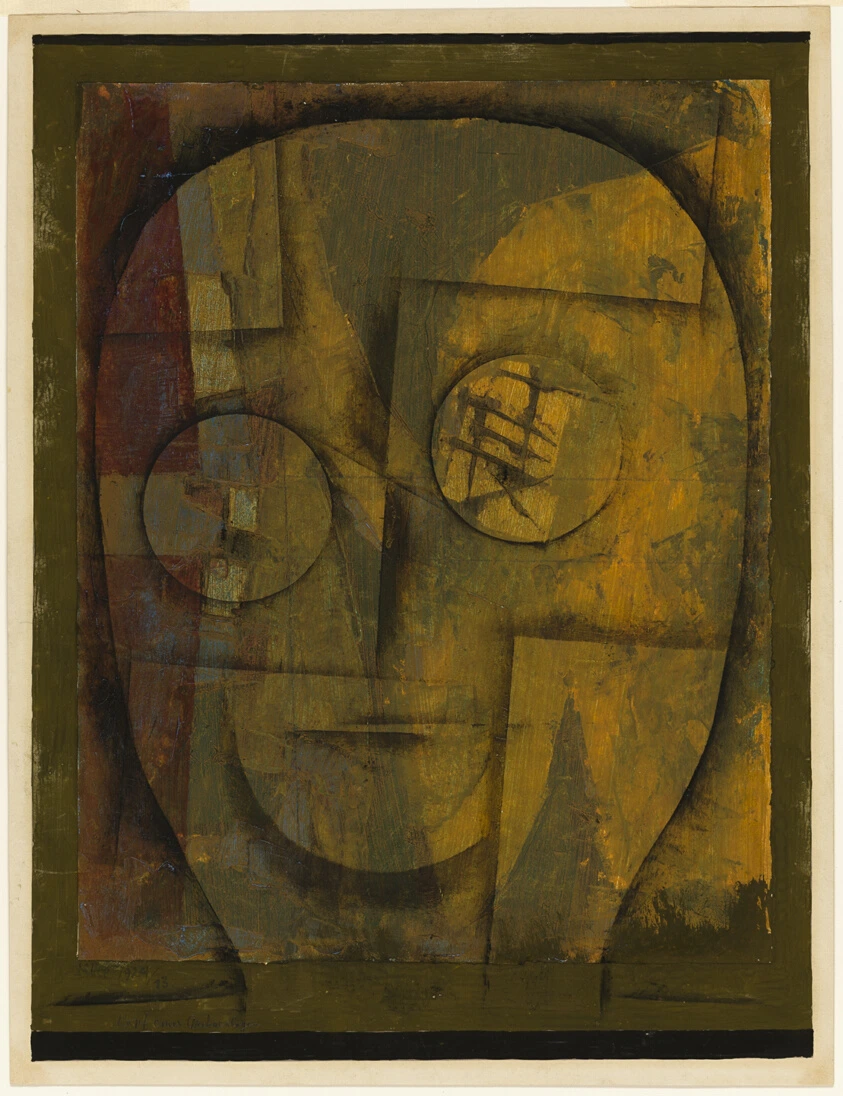
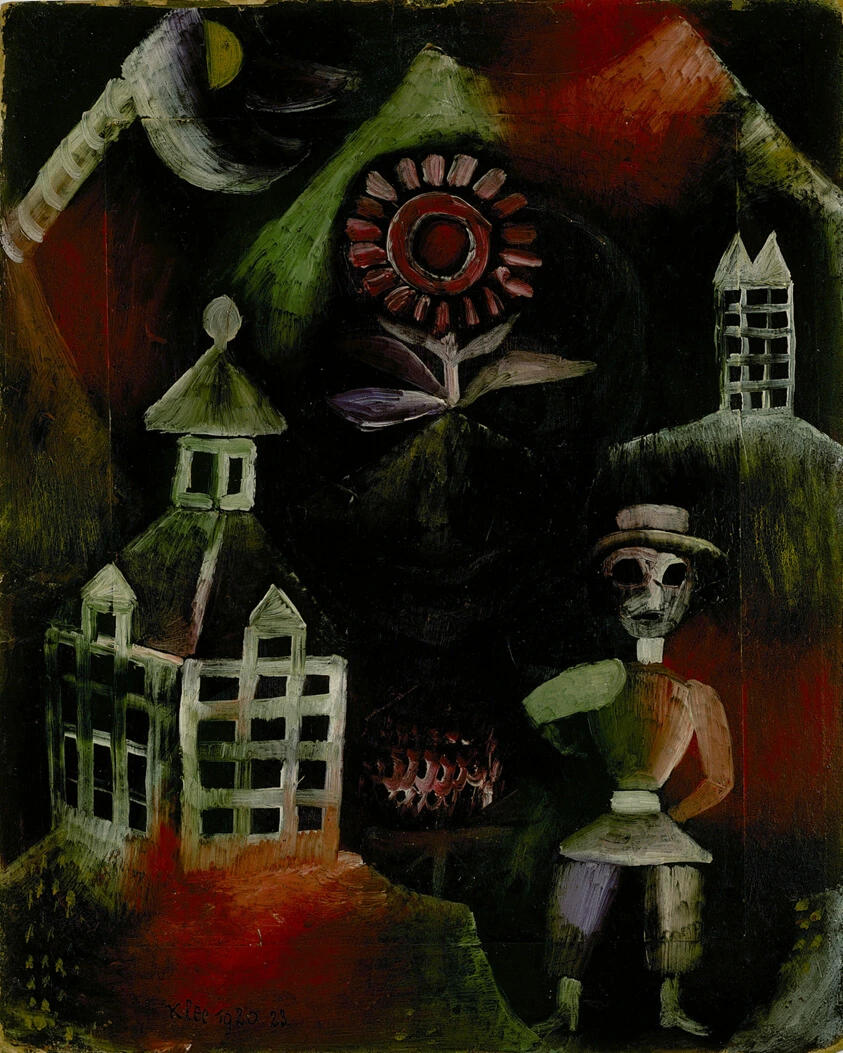
Paul Klee (1879-1940) painted Schoolhouse in 1920, shortly after his return from military service and his appointment to the Bauhaus, where he would teach from 1921 to 1931. The painting depicts a schoolhouse in the simplified, geometric manner that Klee was developing in the early 1920s, when his work was moving toward the constructivist abstraction that he explored during his Bauhaus years. The 1920 date places this at the transitional moment between Klee's earlier Expressionist work and the geometric constructivism of his Bauhaus period.
Cultural Impact
Schoolhouse is important in Klee's development because it shows the transitional moment between his earlier Expressionist work and the geometric constructivism of his Bauhaus years. The simplified, geometric manner of the schoolhouse—reduced to essential shapes and muted colors—shows Klee moving toward the constructivist abstraction that would characterize his Bauhaus teaching and painting.
Why It Matters
Schoolhouse is Klee at the transition to Bauhaus constructivism: a schoolhouse reduced to simplified geometric shapes and muted colors, showing the move from Expressionist play to constructivist abstraction. The 1920 painting marks the transitional moment before his Bauhaus appointment, when Klee's work was becoming more geometric and systematic.