Florentine 16th Century
The Florentine Diamond is a large diamond, known for its long association with European royalty. A possession of the House of Habsburg-Lorraine since 1737, it was widely thought to have been lost in the aftermath of the fall of the Austro-Hungarian Empire in 1918, but was revealed in November 2025 to have remained with the family in secret. Reportedly of Indian origin, the Florentine Diamond is light yellow in colour with very slight green overtones. It is cut in the form of an irregular (although very intricate) nine-sided 126-facet double rose cut, with a weight of 137.27 carats (27.454 g). The stone is also known as the Tuscan, the Tuscany Diamond, the Grand Duke of Tuscany, the Austrian Diamond, Austrian Yellow Diamond, and the Dufner Diamond.
Read more on Wikipedia →Artworks by Florentine 16th Century
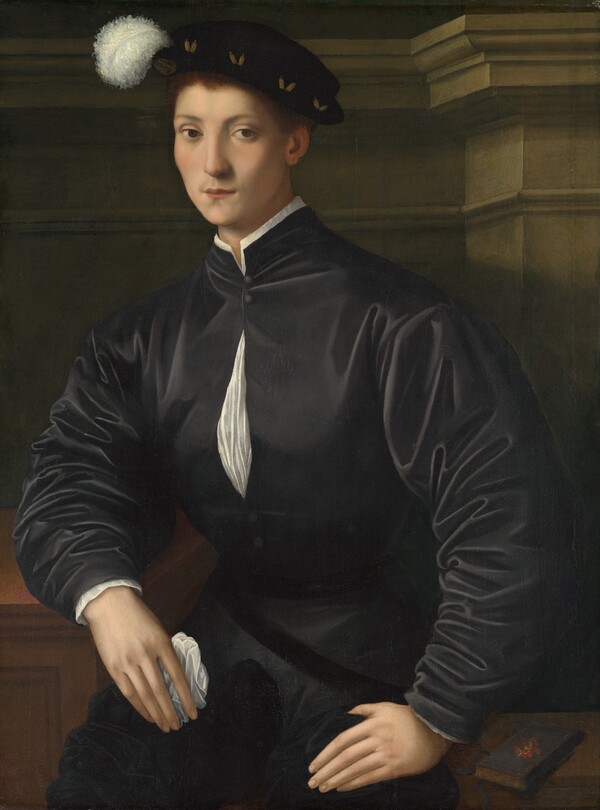
Ugolino Martelli
Florentine 16th Century
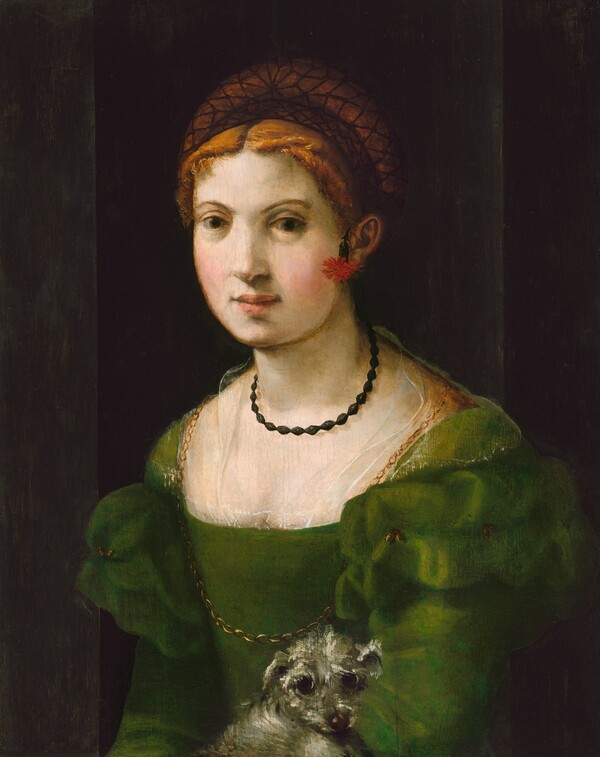
Portrait of a Young Woman
Florentine 16th Century
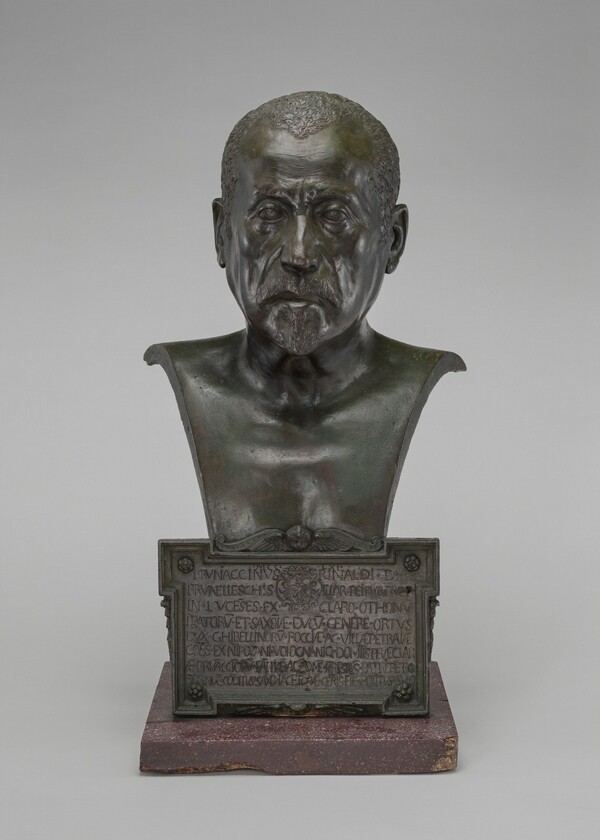
Brunaccino Rinaldi
Florentine 16th Century
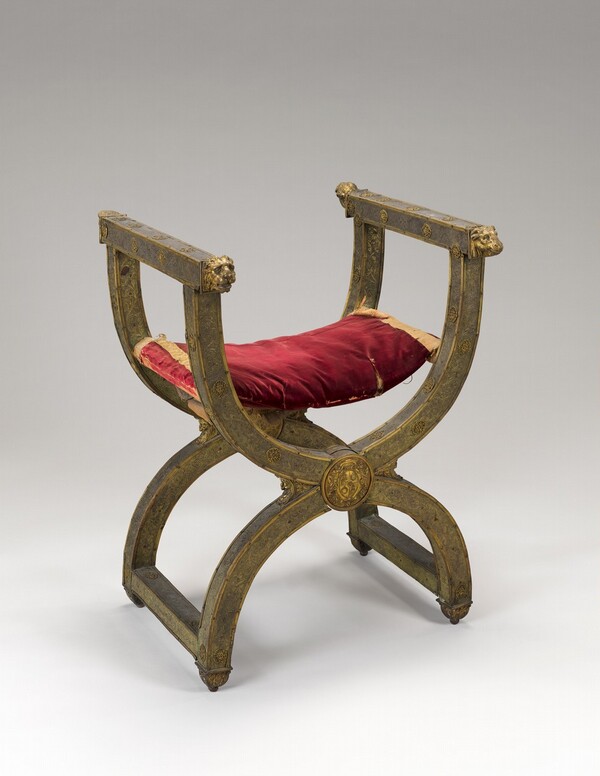
Dantesca Chair, Silver Gilt with Bronze Mountings
Florentine 16th Century
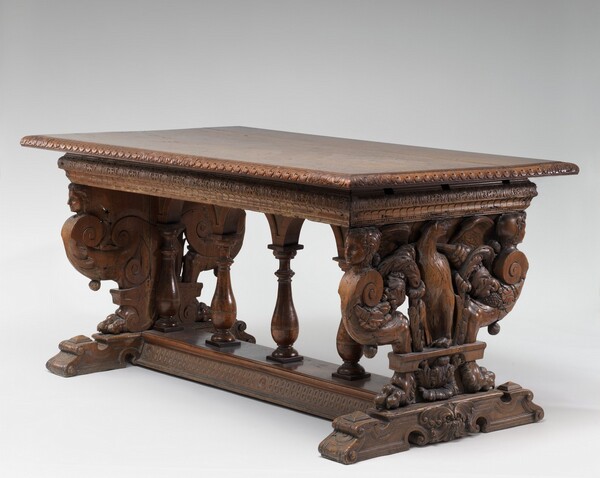
Walnut Table with Eagles on the Supports
Florentine 16th Century
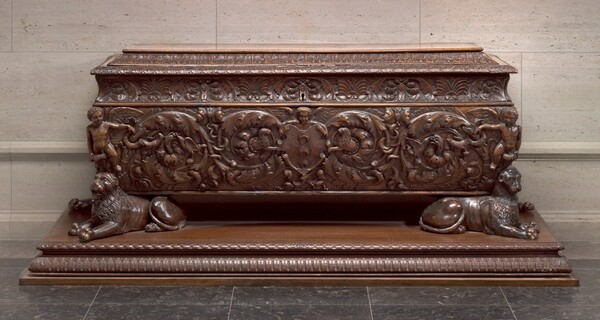
Walnut Cassone made for Strozzi Family
Florentine 16th Century
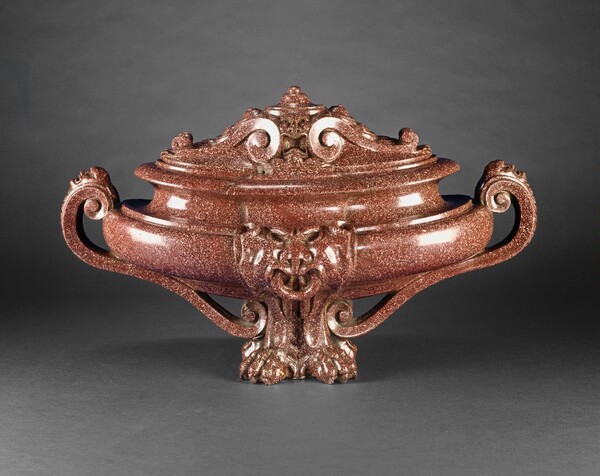
Urn with Grotesque Masks
Florentine 16th Century
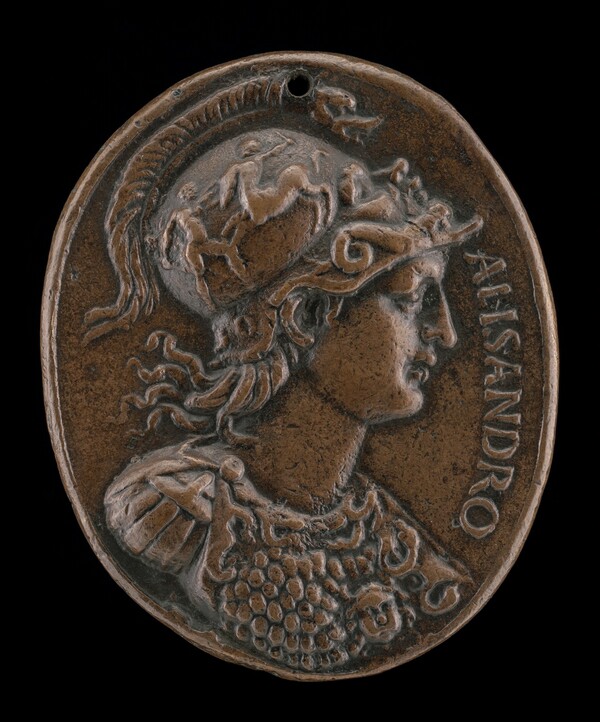
Bust of Alexander
Florentine 16th Century
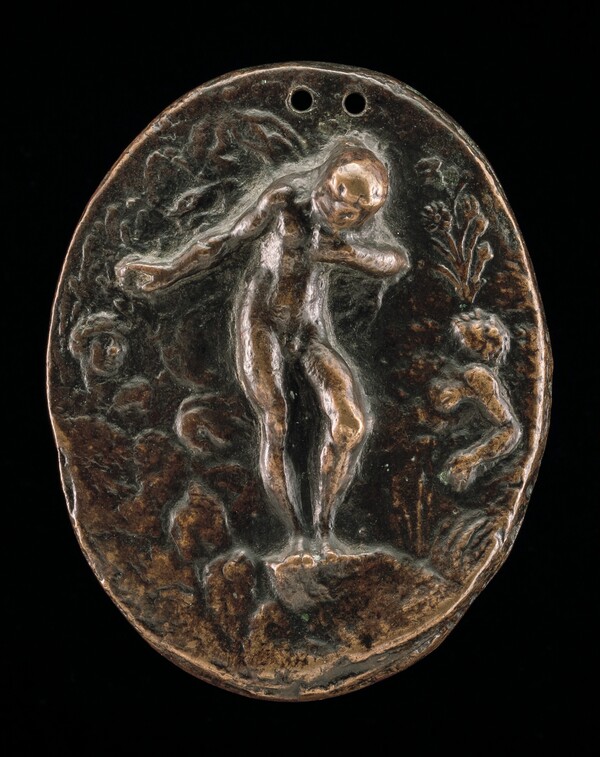
Narcissus
Florentine 16th Century
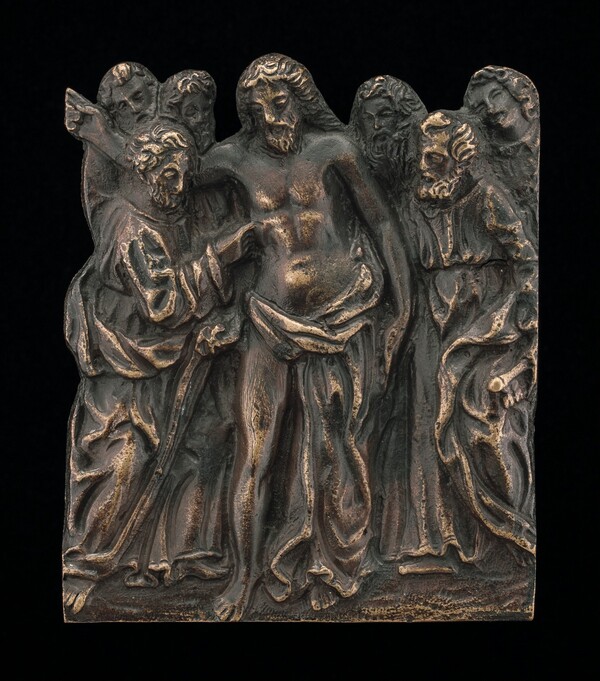
The Incredulity of Saint Thomas
Florentine 16th Century
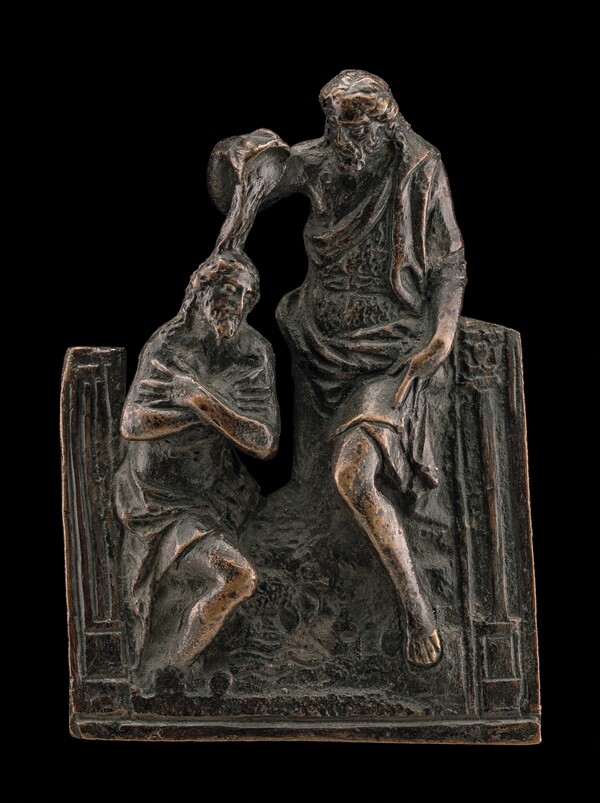
The Baptism in the Jordan
Florentine 16th Century
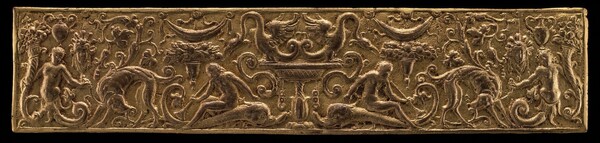
One of Two Ornamental Friezes
Florentine 16th Century
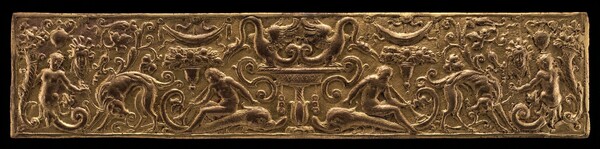
One of Two Ornamental Friezes
Florentine 16th Century
![Giovanni de' Medici delle Bande Nere, 1498-1526 [obverse]](https://api.nga.gov/iiif/99ba2597-2274-4171-a922-c5400e3803ed/full/600,/0/default.jpg)
Giovanni de' Medici delle Bande Nere, 1498-1526 [obverse]
Florentine 16th Century
![Cavalry Charge [reverse]](https://api.nga.gov/iiif/e1ed3798-1db2-47cd-916e-b05bbe9e35ec/full/600,/0/default.jpg)
Cavalry Charge [reverse]
Florentine 16th Century
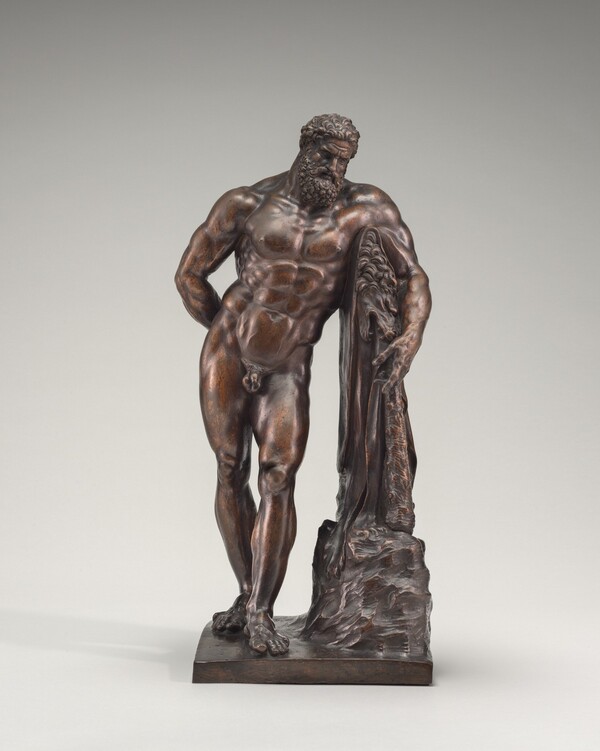
Farnese Hercules
Florentine 16th Century
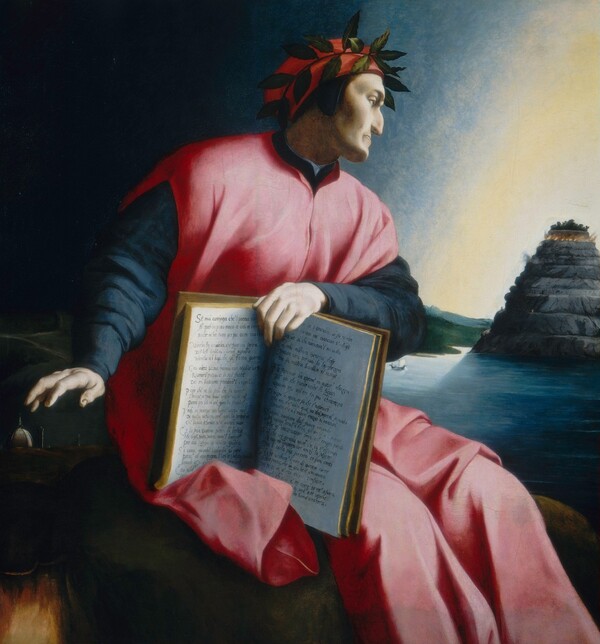
Allegorical Portrait of Dante
Florentine 16th Century
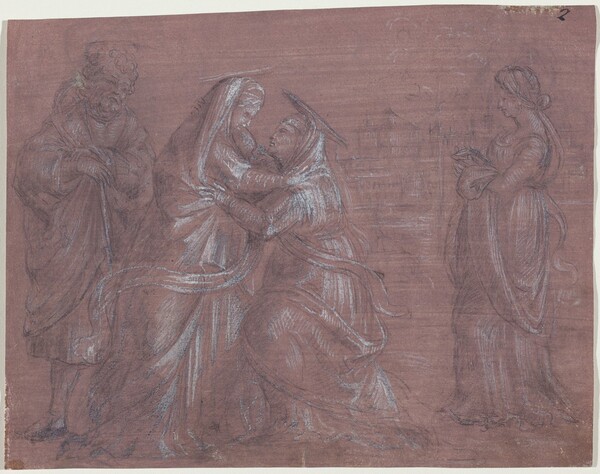
The Visitation
Florentine 16th Century