
Evans, Frederick H.
Frederick H. Evans (26 June 1853 – 24 June 1943) was an English photographer, best known for his images of architectural subjects, such as English and French cathedrals. Evans was born and died in London. He began his career as a bookseller, but retired from that to become a full-time photographer in 1898, when he adopted the platinotype technique for his photography. Platinotype images, with extensive and subtle tonal range, non glossy-images, and better resistance to deterioration than other methods available at the time, suited Evans' subject matter. Almost as soon as he began, however, the cost of platinum - and consequently, the cost of platinum paper for his images - began to rise. Because of this cost, and because he was reluctant to adopt alternate methodologies, by 1915 Evans retired from photography altogether. Evans' ideal of straightforward, "perfect" photographic rendering - unretouched or modified in any way - as an ideal was well-suited to the architectural foci of his work: the ancient, historic, ornate and often quite large cathedrals, cloisters and other buildings of the English and French countryside. This perfectionism, along with his tendency to exhibit and...
Read more on Wikipedia →Artworks by Evans, Frederick H.
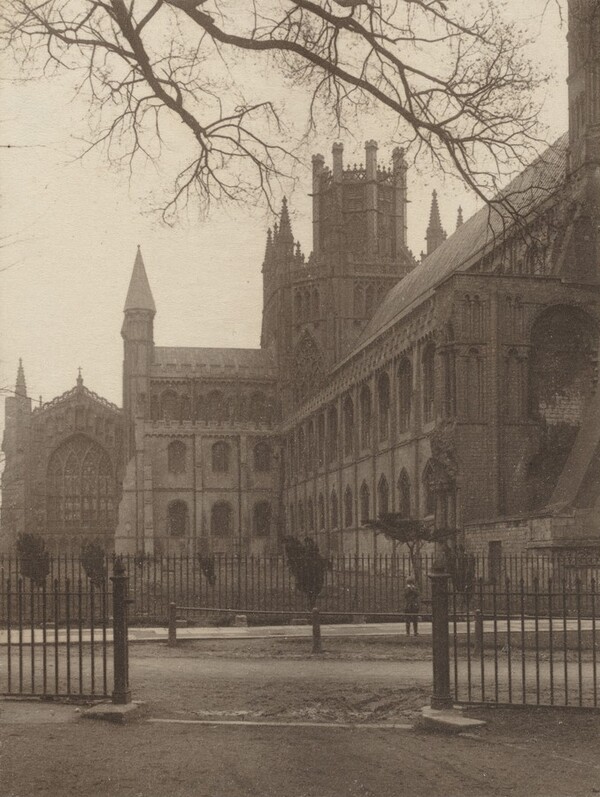
A View of Ely Cathedral
Evans, Frederick H.
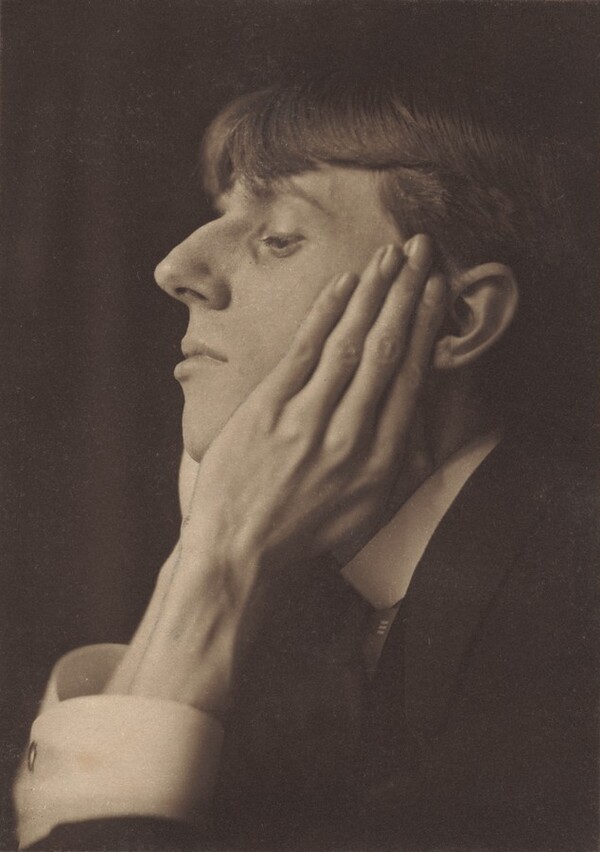
Aubrey Beardsley
Evans, Frederick H.
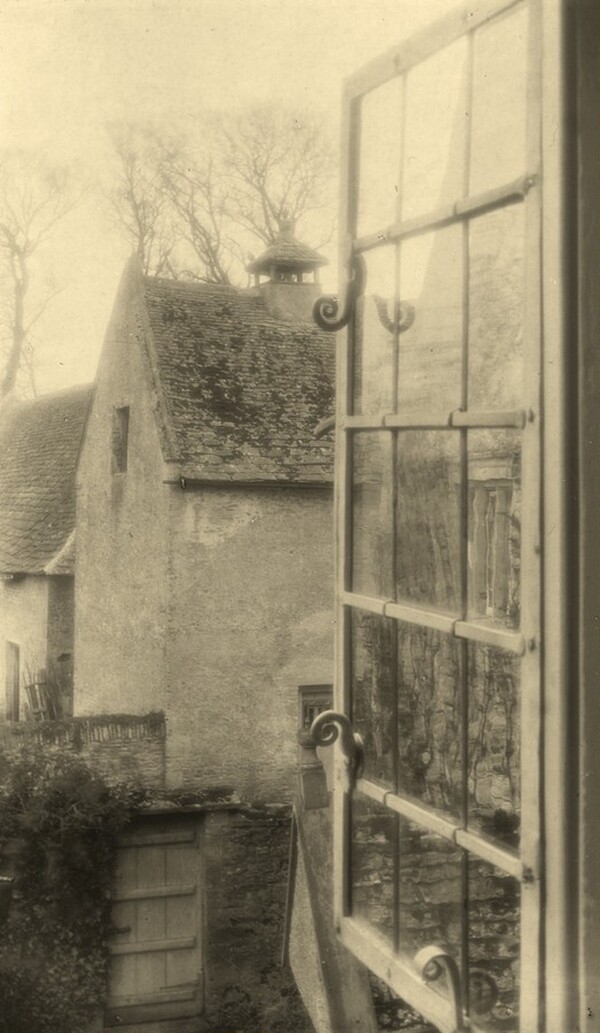
Kelmscott Manor, Thro' a Window in the Tapestry Room
Evans, Frederick H.
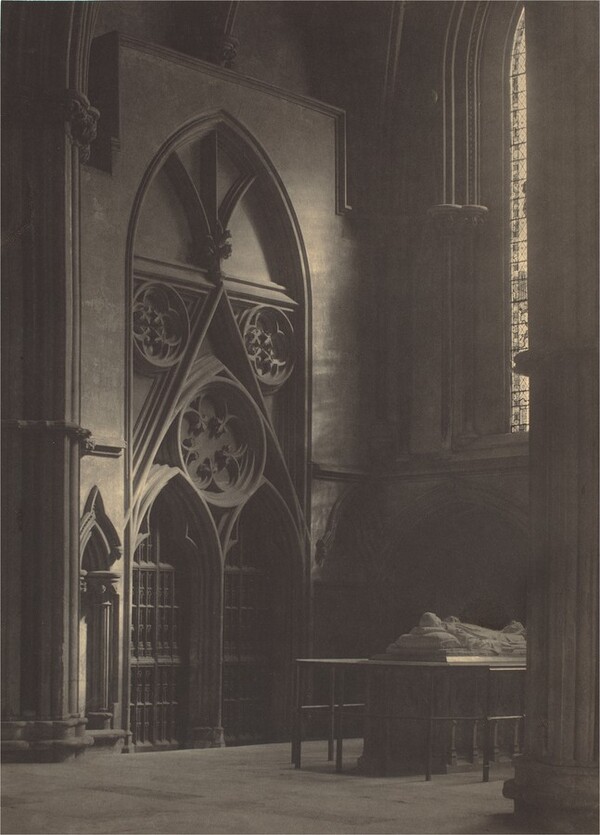
York Minster, North Transept: "In Sure and Certain Hope"
Evans, Frederick H.
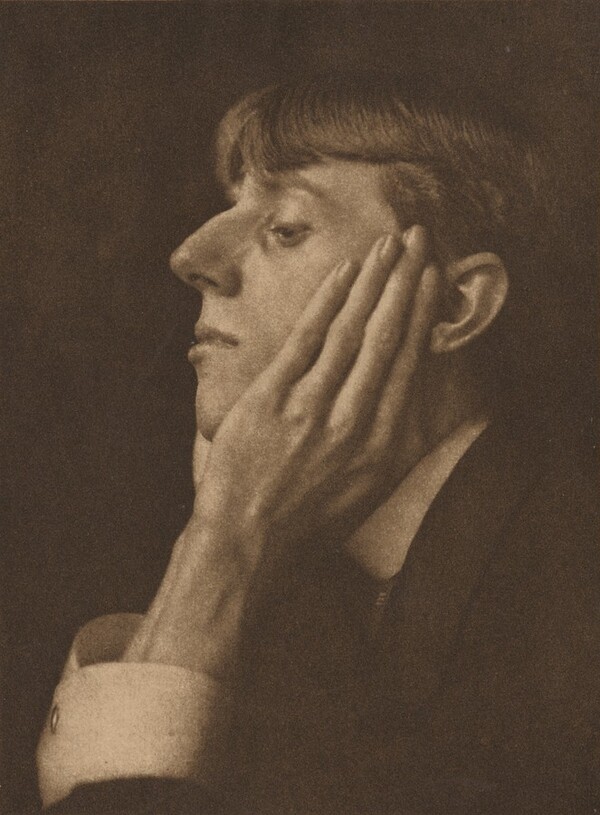
Aubrey Beardsley
Evans, Frederick H.
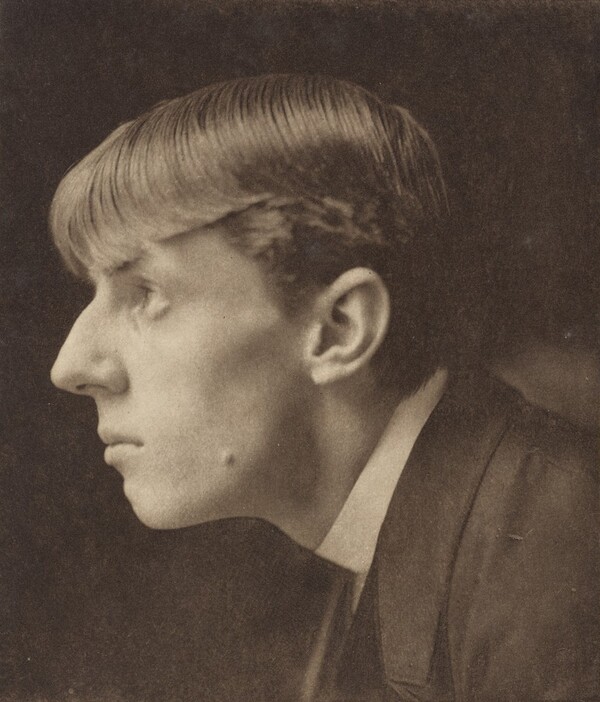
Aubrey Beardsley
Evans, Frederick H.
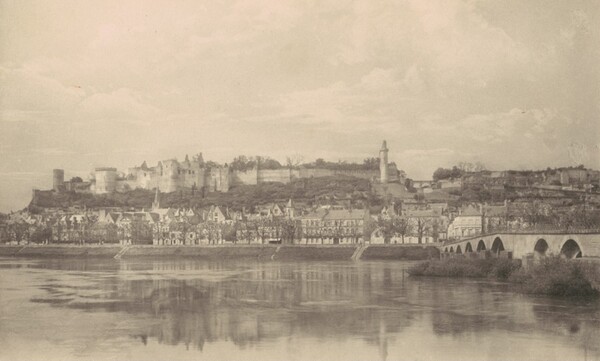
Château de Chinon from across the River
Evans, Frederick H.