Albers, Anni
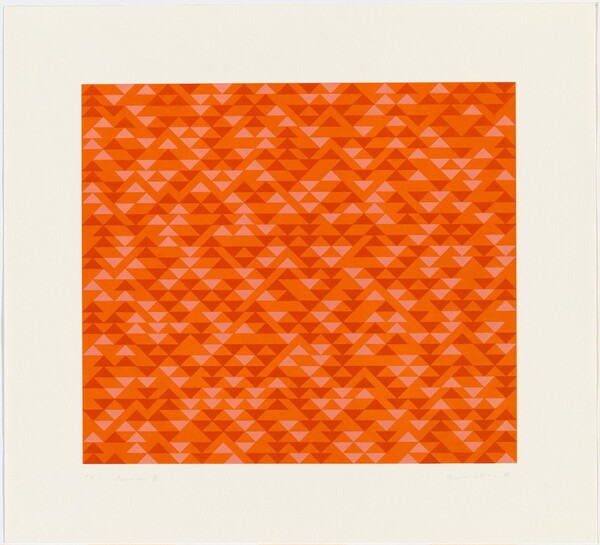
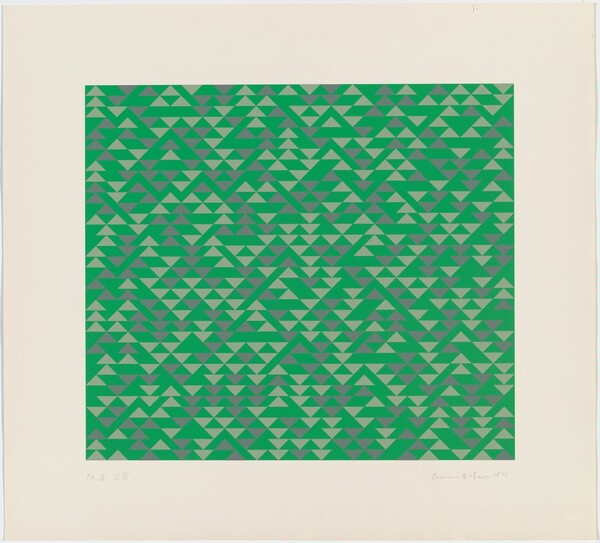
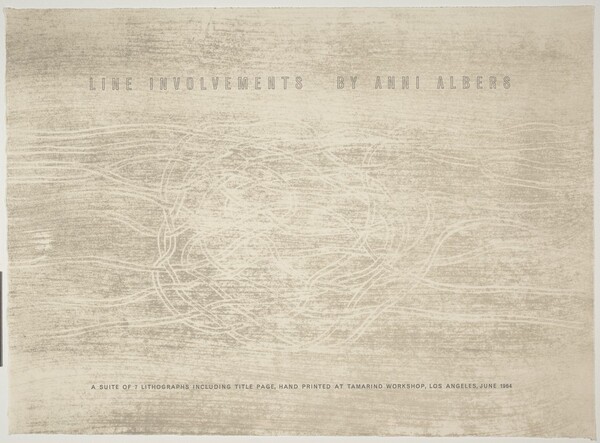
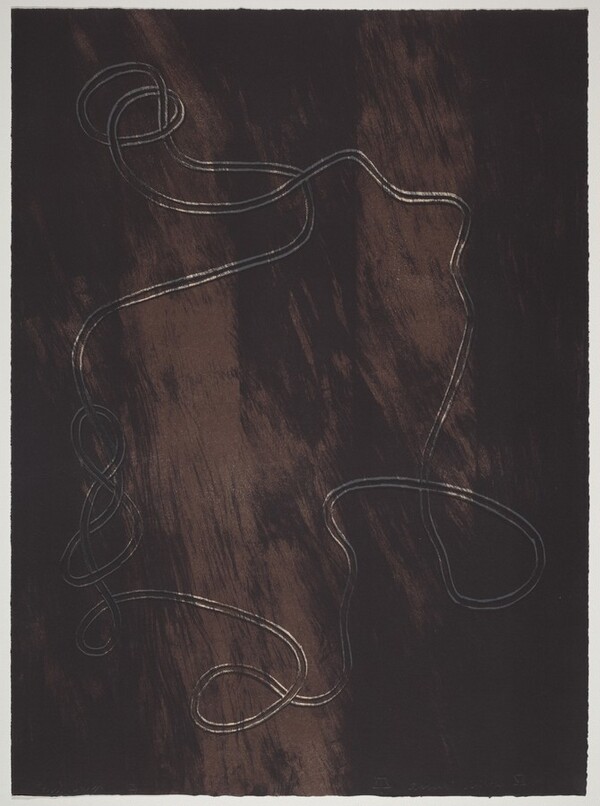
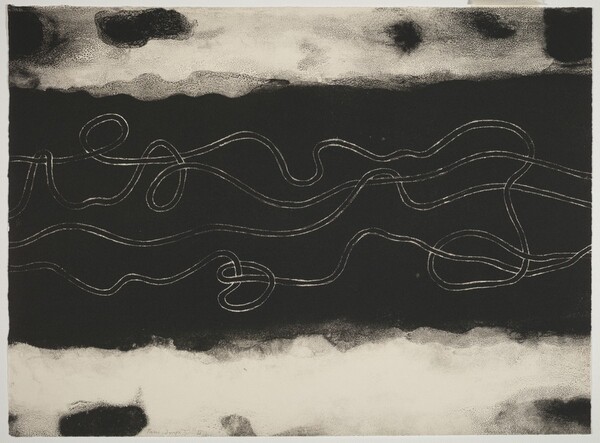
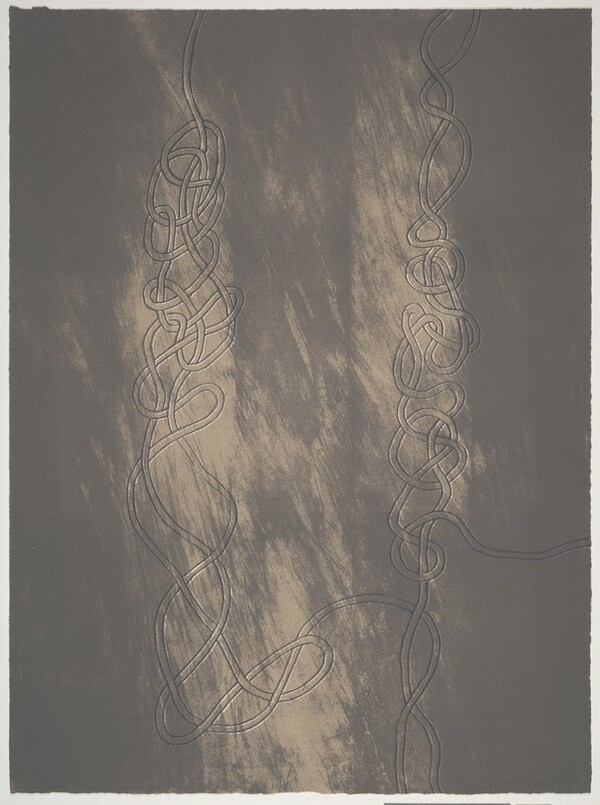
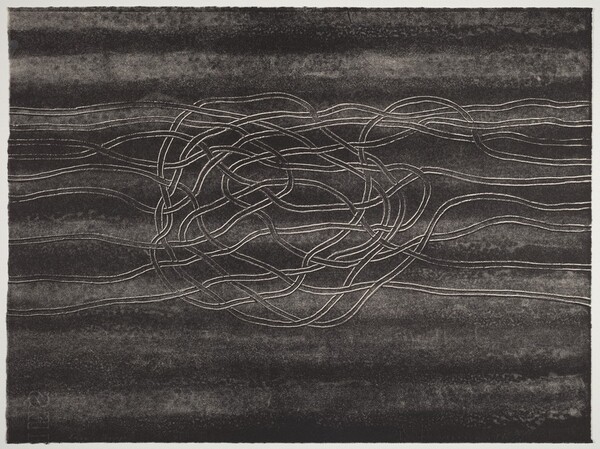
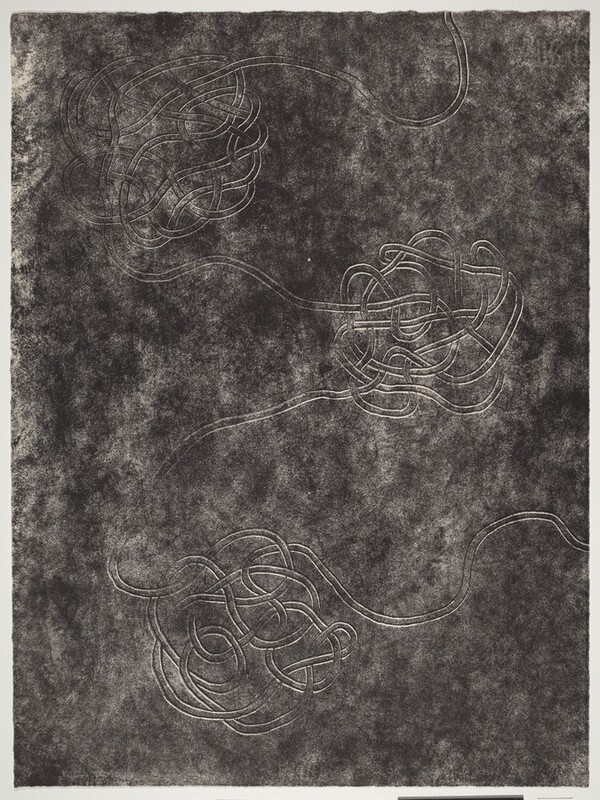
Anni Albers (born Annelise Elsa Frieda Fleischmann; June 12, 1899 – May 9, 1994) was a German-Jewish visual artist and printmaker. A leading textile artist of the 20th century, she is credited with blurring the lines between traditional craft and art. Born in Berlin in 1899, Fleischmann initially studied under impressionist painter Martin Brandenburg from 1916 to 1919 and briefly attended the Kunstgewerbeschule in Hamburg in 1919. She later enrolled at the Bauhaus, an avant-garde art and architecture school founded by Walter Gropius in Weimar in 1922, where she began exploring weaving after facing restrictions in other disciplines due to gender biases at the institution. Under the guidance of Gunta Stölzl, Fleischmann developed a passion for the tactile qualities of weaving, shifting her artistic focus from painting to textile art. In 1925, Fleischmann married fellow Bauhaus figure Josef Albers, taking on her husband's last name, and moved with the school to Dessau. The Bauhaus's emphasis on functional design led to innovations in materials that combined aesthetics with practical benefits like sound absorption and light reflection. She eventually headed the weaving workshop after Gunta...
Read more on Wikipedia →