
Courbet, Gustave
Jean Désiré Gustave Courbet (UK: KOOR-bay; US: koor-BAY; French: [ɡystav kuʁbɛ]; 10 June 1819 – 31 December 1877) was a French painter who led the Realism movement in 19th-century French painting. Committed to painting only what he could see, he rejected academic convention and the Romanticism of the previous generation of visual artists. His independence set an example that was important to later artists, such as the Impressionists and the Cubists. Courbet occupies an important place in 19th-century French painting as an innovator and as an artist willing to make bold social statements through his work. Courbet's paintings of the late 1840s and early 1850s brought him his first recognition. They challenged convention by depicting unidealized peasants and workers, often on a grand scale traditionally reserved for paintings of religious or historical subjects. Courbet's subsequent paintings were mostly of a less overtly political character: landscapes, seascapes, hunting scenes, nudes, and still lifes. Courbet was imprisoned for six months in 1871 for his involvement with the Paris Commune and lived in exile in Switzerland from 1873 until his death four years later.
Read more on Wikipedia →Artworks by Courbet, Gustave
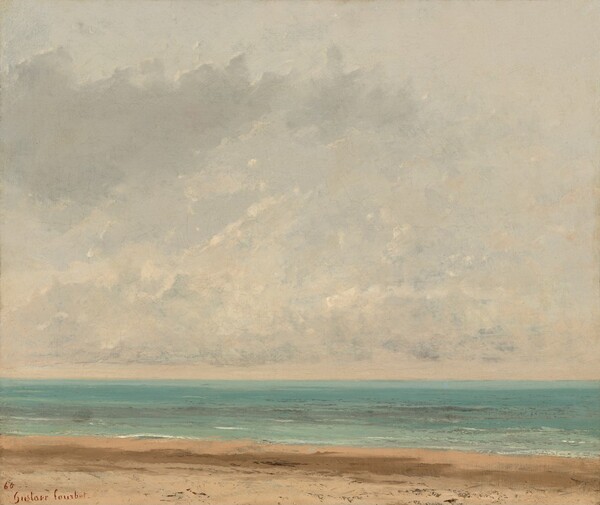
Calm Sea
Courbet, Gustave
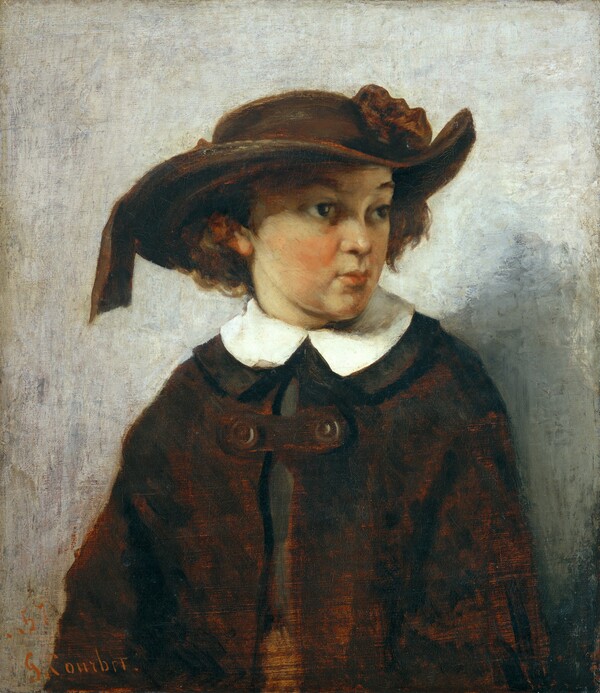
Portrait of a Young Girl
Courbet, Gustave
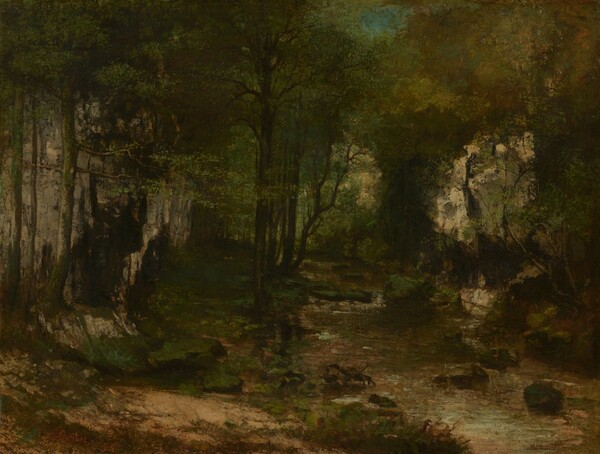
The Stream (Le Ruisseau du Puits-Noir; vallée de la Loue)
Courbet, Gustave
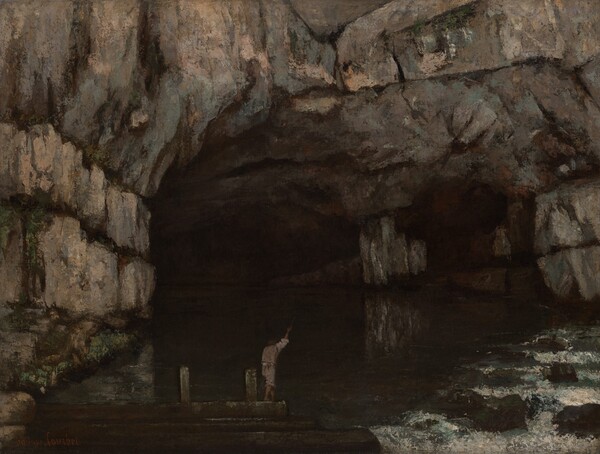
La Grotte de la Loue
Courbet, Gustave
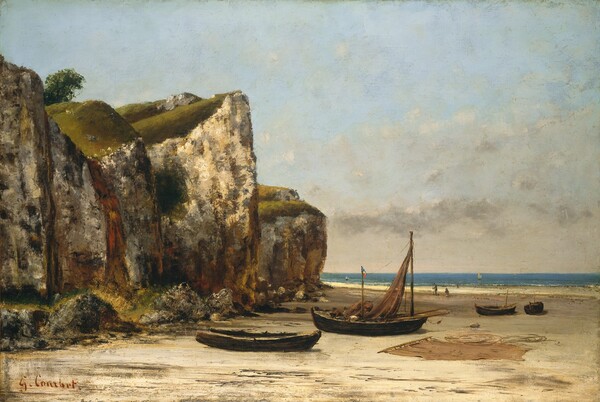
Beach in Normandy
Courbet, Gustave
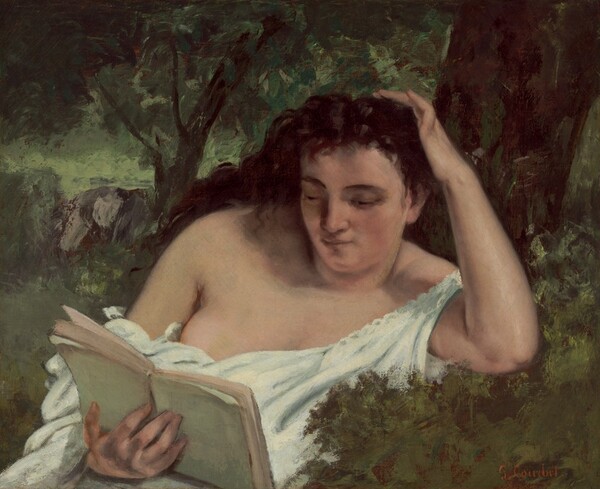
A Young Woman Reading
Courbet, Gustave
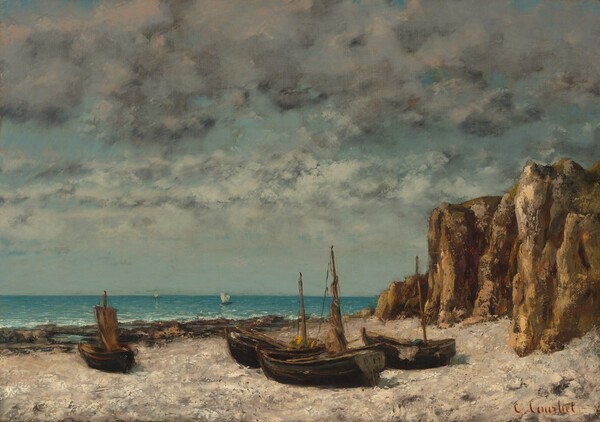
Boats on a Beach, Etretat
Courbet, Gustave
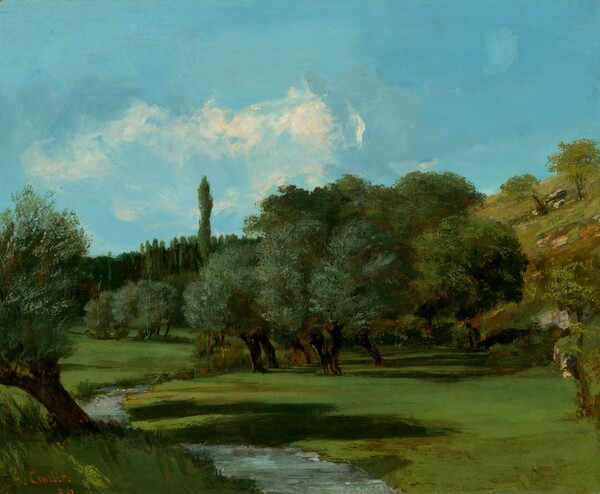
La Bretonnerie in the Department of Indre
Courbet, Gustave
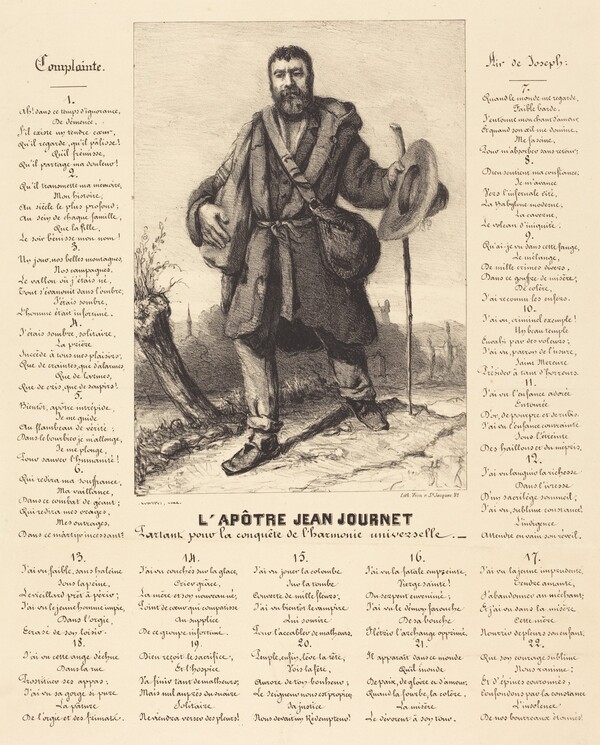
The Apostle Jean Journet Setting Out for the Conquest of Universal Harmony
Courbet, Gustave
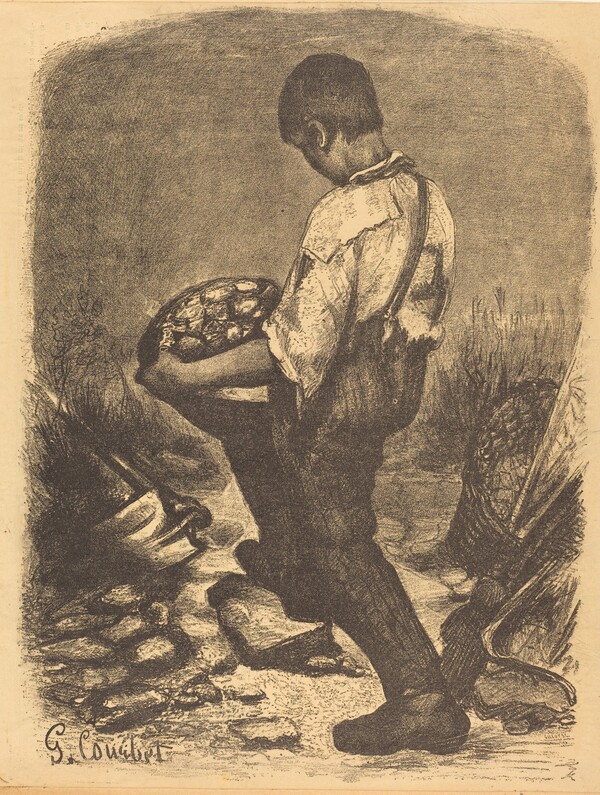
The Stone Breaker
Courbet, Gustave
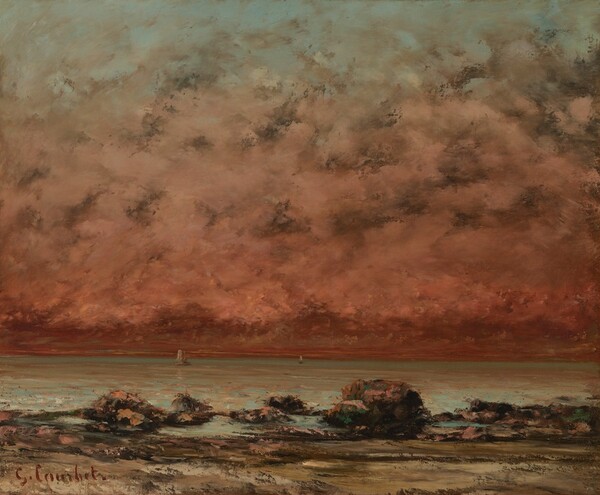
The Black Rocks at Trouville
Courbet, Gustave